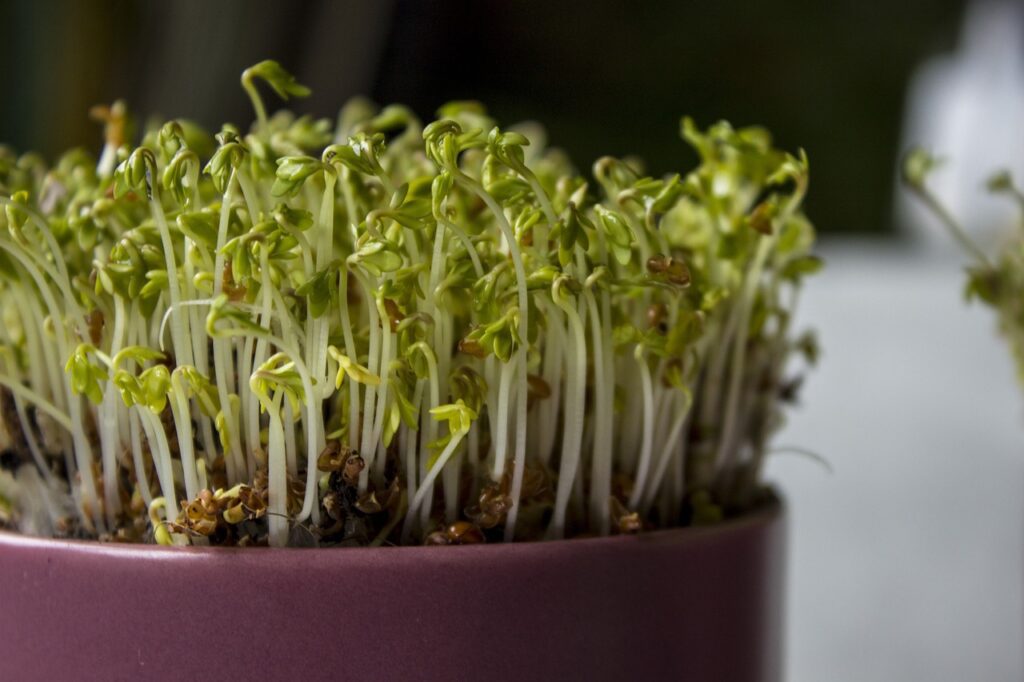
Herb gardening can be fun and delicious for the family.
Throughout history, herbs have served various purposes, from treating illnesses to enhancing the flavors of meals.
They have even been associated with magical powers. If you are interested in having your own herb garden, here are some ideas on how to establish one.
Start by planning your garden. Consider the types of herbs you want to plant and whether they are annuals, biennials, or perennials.
It’s helpful to consult a book or resource that provides information on the specific plants you intend to grow.
Sketch or list your garden on paper, separating the annuals from the perennials. This way, when it’s time to remove the annuals, you won’t disturb the perennials.
Plant the perennials along the edge of your garden to protect them during tilling.
Additionally, remember to position the taller herbs at the back and the shorter ones in the front, allowing each plant enough space to grow.
If you prefer to keep herbs separate from your garden, consider using herb pots. These large containers have multiple outlets for the herbs.
Fill the pot up to the first outlet, plant the herb, and continue filling and planting.
Typically, the herb that requires the most water is placed in the bottom hole, while the one needing the least water goes in the highest hole.
When it comes to design, you can opt for a square herb bed. Divide the bed into four sections with two paths crossing at the midpoint, each measuring 3 feet.
Use stone, brick, or a wooden ladder as borders and plant your herbs between the ladder’s rungs.
Another option is a wagon wheel bed, where you plant the herbs in the spaces between the wheel’s wedges.
Now, let’s focus on getting your plants to grow.
Different herbs have different needs, but many thrive in alkaline soil.
This is why it’s important to determine the herbs you want to plant during the planning stage.
Understanding their specific requirements will guide you in caring for them properly.
If you choose to germinate your herbs from seeds, follow the instructions on the packet regarding soil, watering, and temperature.
Herbs are generally easy to grow.
They require effective drainage, ample sunlight, sufficient humidity or moisture, and fertile soil.
By meeting these basic requirements, you can expect a bountiful harvest from your herb garden.