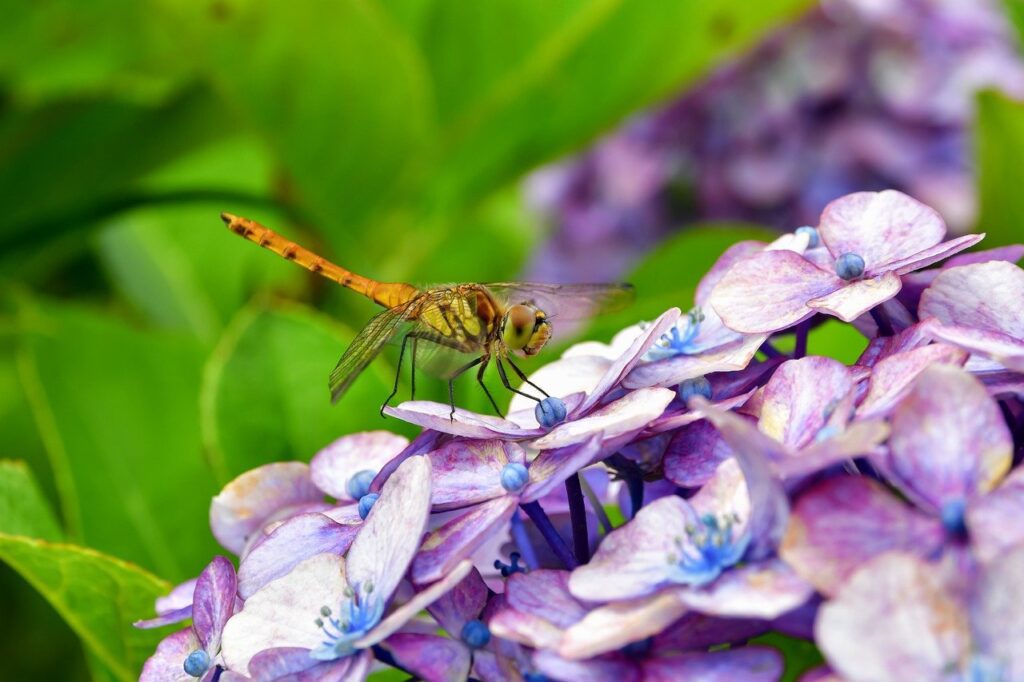
Selecting the Perfect Plants for Your Garden with Confidence
Choosing the right plants for your garden can be a delightful and rewarding experience, but it’s essential to make informed decisions to ensure your garden thrives.
Before making impulsive plant purchases, take some time to evaluate your garden’s specific conditions.
Here’s a step-by-step guide to help you select the best plants for your garden:
1. Assess Your Garden’s Environment:
Before heading to the nursery, thoroughly examine your garden to understand its unique characteristics.
Consider the following factors:
– Sunlight:
Determine how much sun and shade different areas of your garden receive. This knowledge will help you select the right plants for each location.
– Soil Conditions:
Check if your soil is well-drained or waterlogged.
Also, find out whether it is acidic or alkaline. Some plants thrive in specific soil types, so understanding your soil is crucial.
– Aspect:
Assess whether your garden is sheltered from the wind or exposed to it. This will influence your plant choices.
2. Soil Testing:
It’s advisable to test your soil’s pH level and nutrient content to determine if any adjustments are needed.
Most plants prefer slightly acidic soil, but some require alkaline conditions.
You can modify the pH level, but it’s often easier to select plants that match your existing soil.
3. Plant Selection:
Now that you have a clear understanding of your garden’s conditions, it’s time to choose the right plants:
– Select shade-loving plants for sheltered areas.
– Opt for sun-loving varieties for sunny spots.
– Pick drought-resistant plants for arid areas, whether they receive sun or shade.
– Consider swamp plants for poorly drained sections.
4. Planning and Arrangement:
Before planting, take these steps to create a harmonious garden:
– Arrange your chosen plants in their pots within the garden bed to visualize how they will look. Make adjustments until you’re satisfied.
– Plant in groups, as this creates an organized and visually appealing garden. Groupings of threes or fives tend to look better than even numbers.
– Pay attention to the height of the plants. Place tall varieties at the back or center of your garden if it’s visible from all sides.
– Avoid planting near trees, as their roots can compete with your flowers for nutrients and moisture.
5. Color and Foliage Selection:
A well-thought-out color scheme can add charm to your garden. Consider the following tips:
– Visualize the colors of your plants when they are in bloom and ensure they complement each other.
– Plants with different blooming seasons can be planted side by side even if their colors clash.
– Don’t overlook foliage color. Some plants feature attractive silver, grey, or purplish leaves that remain appealing even after the blooming season has passed, adding long-lasting value to your garden.
By following these steps and carefully considering your garden’s unique conditions, you can confidently select the best plants for your garden, creating a beautiful and thriving outdoor space for years to come.
Selecting the Perfect Plants for Your Garden with Confidence can be fun!