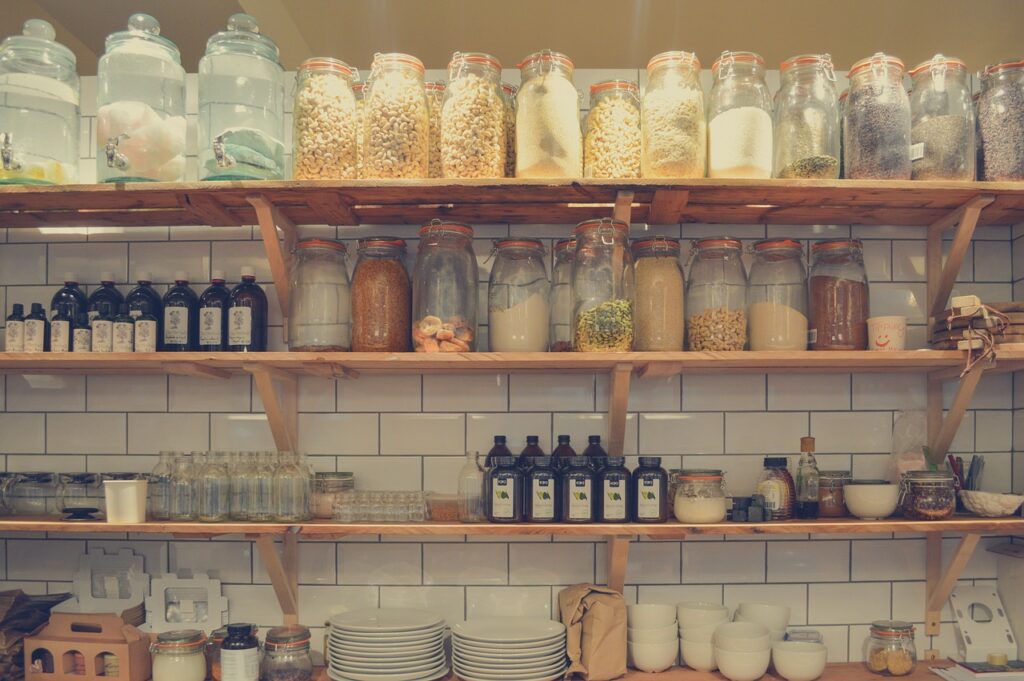
Wooden Vegetable Storage
When you think about storing your vegetables, have you considered the advantages of wooden vegetable storage?
Not only does it offer a visually appealing touch to your kitchen, but it also creates an environment that helps keep produce fresh longer.
You might be surprised by how different types of wood can impact both aesthetics and function.
And while you may have a few ideas in mind, understanding the best choices for your specific needs can make all the difference.
So, what factors should you really be considering?
Benefits of Wooden Storage
When it comes to storing vegetables, wooden storage offers several advantages that can enhance your kitchen experience.
First off, wood naturally regulates humidity, helping to keep your vegetables fresh longer.
This means you won’t have to worry about spoilage as quickly, saving you both time and money.
Another benefit is the aesthetic appeal of wooden storage.
A well-crafted wooden crate or bin can add warmth and charm to your kitchen décor, making it not just functional but also visually pleasing.
Plus, the sturdy nature of wood means you can stack or arrange your storage solutions to fit your space perfectly.
Wooden storage is also eco-friendly, as it’s a renewable resource.
By choosing wood over plastic, you’re making a sustainable choice that benefits the environment.
Additionally, wooden containers often allow for better air circulation, reducing the risk of mold and rot.
Lastly, wooden storage can be easily customized.
You can choose different finishes or even paint it to match your kitchen theme, making it a versatile option.
Choosing the Right Storage
Selecting the right wooden storage for your vegetables hinges on understanding your specific needs and kitchen layout.
First, assess how much space you have.
If you’re working with a small kitchen, consider compact options like stackable bins or corner shelves.
These maximize vertical space and keep your vegetables accessible.
Next, think about the types of vegetables you typically store.
Root vegetables like potatoes and carrots need well-ventilated storage to prevent moisture buildup.
On the other hand, leafy greens might require a cooler, darker environment.
Choosing a unit with adjustable shelves can help accommodate various sizes and types of produce.
Don’t forget about mobility.
If you regularly move your storage to access other kitchen areas, opt for units with wheels.
This makes them easier to reposition when necessary.
Best Types of Wood
Choosing the right type of wood for your vegetable storage can significantly impact its durability and functionality.
You’ll want to consider woods that resist moisture and pests, ensuring your vegetables stay fresh longer.
Cedar is a fantastic choice due to its natural resistance to rot and insects.
Its aromatic properties also help repel pests, making it an excellent option for vegetable storage.
If you’re looking for something more affordable, pine can work too, although it may require additional treatment to enhance its durability.
Hardwoods like oak are sturdy and long-lasting, offering great protection for your vegetables.
However, they can be heavier and pricier, so weigh your options based on your budget and needs.
Birch is another good alternative; it’s strong and has a fine grain, which gives it an appealing look.
Just remember to seal it properly to prevent moisture damage.
Ultimately, the best wood type for your vegetable storage depends on your specific situation.
Consider the climate, your budget, and the vegetables you plan to store.
With the right wood, you’ll create an effective storage solution that keeps your produce fresh and safe.
Maintenance and Care Tips
Proper maintenance is key to ensuring your wooden vegetable storage lasts for years.
Start by placing your storage in a cool, dry area, away from direct sunlight and moisture. This will prevent warping and cracking.
Regularly check for any signs of damage, such as splinters or loose joints, and address these issues promptly to avoid further deterioration.
Cleaning is essential, too.
Use a damp cloth to wipe down surfaces and avoid harsh chemicals that could harm the wood.
If you notice any stains, a mixture of mild soap and water can work wonders.
After cleaning, dry the surfaces thoroughly to prevent water damage.
To maintain the wood’s natural luster, you should apply a food-safe mineral oil or beeswax periodically.
This not only nourishes the wood but also creates a protective barrier against moisture and spills.
Additionally, ensure proper ventilation in your vegetable storage to keep produce fresh and prevent mold growth.
Lastly, regularly rotate your vegetables, using older items first to minimize waste.
Creative Storage Ideas
Transforming your wooden vegetable storage into a functional and stylish centerpiece can be as simple as incorporating creative storage ideas.
Start by utilizing vertical space. Install wooden shelves above your storage unit to hold smaller items like spices or herbs, keeping them easily accessible.
You can also add hooks to the side of your storage; this allows you to hang utensils or lightweight baskets for potatoes and onions.
Next, consider decorative jars or baskets.
Clear glass jars not only look appealing but also let you quickly see your inventory.
Label each jar to maintain organization and enhance the aesthetic.
If you prefer a rustic look, woven baskets can add texture and warmth.
Don’t forget about drawer dividers! If your storage has drawers, use dividers to keep items separate and organized.
This way, you won’t have to dig through a pile to find what you need.
In conclusion, wooden vegetable storage isn’t just practical; it adds charm to your kitchen while keeping your produce fresh.
By choosing the right type of wood and following simple maintenance tips, you can enjoy the benefits of this eco-friendly solution for years to come.
Plus, with a little creativity, you can find unique ways to incorporate these storage options into your home.
Embrace the beauty and functionality of wooden storage, and elevate your kitchen organization today!