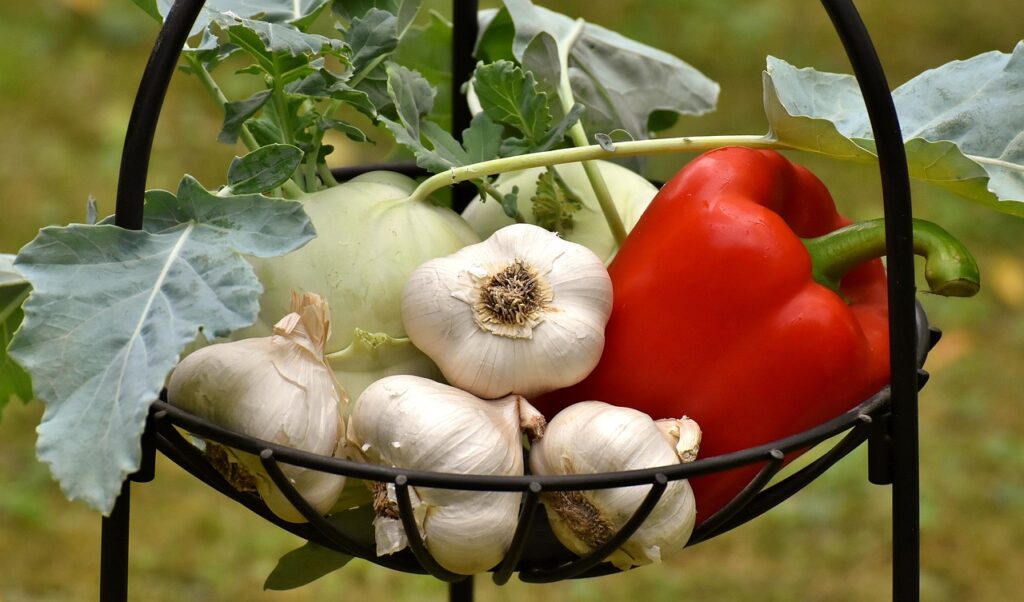
Storing Winter Vegetables
When it comes to storing winter vegetables, you need to consider several factors to keep them fresh and flavorful with Storing Winter Vegetables.
You might think that any cool, dark spot will do, but the specifics matter significantly.
For instance, root vegetables require moisture control while others, like squash, demand a different approach entirely.
Knowing how to store each type can mean the difference between a crisp carrot and a mushy mess.
So, what are the best practices for each variety, and what common pitfalls should you watch out for?
Best Vegetables for Winter Storage
When it comes to winter storage, your garden’s bounty can really shine if you choose the right vegetables.
Some vegetables thrive in cooler temperatures, making them perfect candidates for winter storage.
Carrots, for instance, aren’t only sweetened by frost but can also be stored in a cool, dark place for months.
You’ll find that they retain their flavor and crunch, making them a great addition to winter meals.
Another excellent choice is potatoes.
They store well in a dark, cool environment, preventing sprouting and spoilage.
Be sure to check them regularly for any signs of rot.
Turnips and rutabagas also hold up nicely, providing hearty options for soups and stews.
Onions and garlic are staples that can last long after harvesting.
Store them in a well-ventilated area to keep them fresh.
Lastly, consider winter squash varieties like butternut and acorn squash, which can be stored for weeks without losing their taste or nutrition.
Ideal Storage Conditions
Creating the perfect environment for winter vegetables is crucial for preserving their quality and flavor.
Start by choosing the right location for storage.
A cool, dark, and humid place works best. Ideally, aim for temperatures between 32°F and 40°F.
A basement, root cellar, or even a garage can serve as ideal spots.
Moisture control is vital.
Too much humidity can lead to mold, while too little can cause vegetables to shrivel.
You can maintain humidity by placing damp burlap sacks or wet newspaper in the storage area.
Just make sure to monitor moisture levels regularly.
Ventilation is another key factor.
Ensure your storage area has good air circulation to prevent the buildup of ethylene gas, which can accelerate spoilage.
If you’re using bins or crates, avoid packing vegetables too tightly.
Leave space between them to allow air to flow freely.
Lastly, keep an eye on the temperature fluctuations.
Sudden changes can damage your vegetables, so try to maintain a stable environment.
Techniques for Different Vegetables
Different winter vegetables require specific storage techniques to maintain their freshness and flavor.
For root vegetables like carrots and beets, you’ll want to store them in a cool, dark place, ideally in sand or sawdust to keep them moist and prevent them from shriveling.
Turnips and radishes can also benefit from this method, but be sure to remove any green tops, as they can draw moisture from the roots.
When it comes to squash, like butternut or acorn, store them in a single layer in a cool, dry location.
Avoid stacking them, as this can lead to bruising.
Cabbage and Brussels sprouts thrive in a humid environment; wrapping them in damp cloth or placing them in perforated plastic bags helps maintain moisture.
For potatoes, keep them in a dark, well-ventilated area to prevent sprouting.
You should avoid storing them near onions, as this can cause spoilage.
Lastly, store garlic in a cool, dry place, allowing for airflow around the bulbs.
Common Mistakes to Avoid
Commonly, people make several mistakes that can jeopardize the quality of their stored winter vegetables.
One common error is failing to properly clean and dry the vegetables before storage.
Dirty or moist veggies can lead to mold and spoilage, so always wash and dry them thoroughly.
Another mistake is storing different types of vegetables together.
Some produce emits ethylene gas, which can speed up ripening and spoilage of nearby veggies.
Keep your carrots separate from your apples, for instance.
Temperature is also crucial.
Storing vegetables in a place that’s too warm can cause them to wilt or rot.
Aim for a cool, dark, and well-ventilated area.
Lastly, don’t overlook the importance of checking your stored vegetables regularly.
Remove any that show signs of rot or decay to prevent them from affecting the others.
Creative Uses for Stored Vegetables
Stored winter vegetables are a treasure trove of culinary possibilities waiting to be explored.
You can turn those hearty roots into comforting soups and stews, where flavors meld beautifully.
Just chop up some carrots, parsnips, and potatoes, simmer them in broth, and add herbs for an aromatic dish that warms you up.
If you’re looking for something lighter, try roasting your stored vegetables.
Toss beets, sweet potatoes, and Brussels sprouts with olive oil, salt, and pepper, then roast them until they’re golden and caramelized.
This method intensifies their natural sweetness and makes for a delicious side dish.
You can also experiment with vegetable-based salads.
Shred carrots and beets, toss them with a zesty dressing, and add nuts for crunch.
You’ll have a vibrant, nutrient-packed meal that’s perfect for lunch.
Don’t forget about pureeing!
Blend cooked squash or carrots into a creamy sauce or dip, which can elevate your pasta dishes or serve as a tasty appetizer.
The possibilities are endless, so dive into your stored winter vegetables and let your creativity shine!
By following these storage tips, you can keep your winter vegetables fresh and delicious all season long.
Remember to maintain the right conditions, check for any signs of spoilage, and keep different types of veggies separate.
With a little care, you’ll have a bounty of flavorful produce ready to brighten your meals.
So, embrace the winter harvest and get creative with your stored vegetables—you’ll be amazed at the tasty dishes you can whip up!