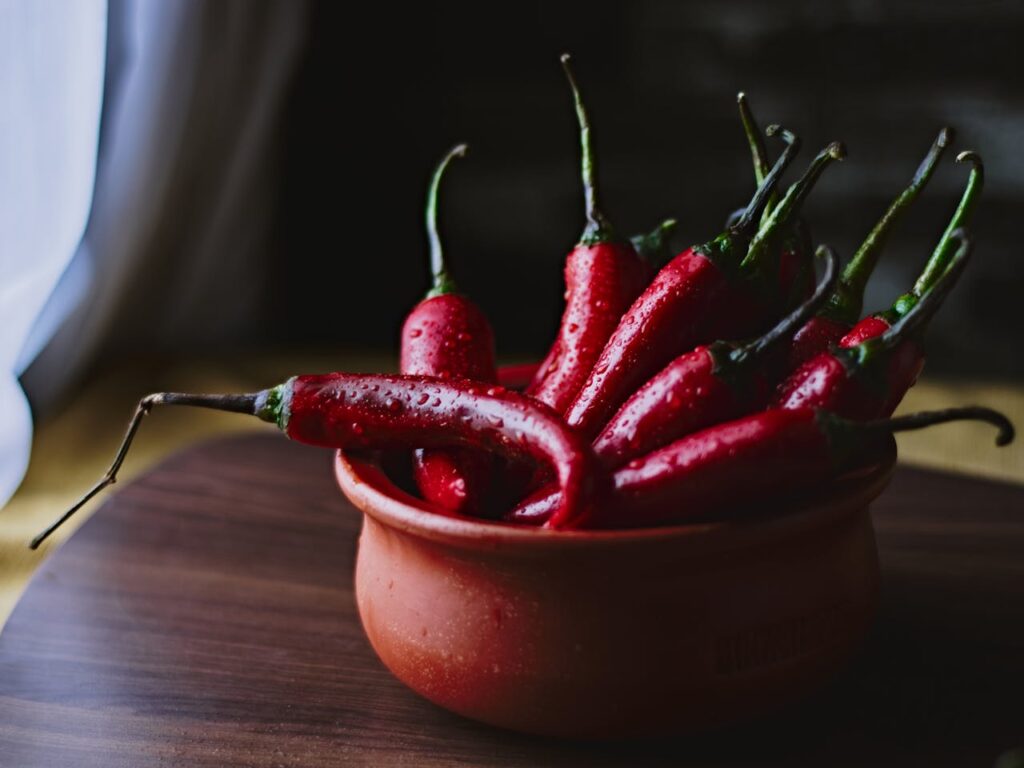
Growing Chilli Peppers
Growing chili peppers can be a rewarding experience if you approach it with the right mindset.
You’ll want to start by selecting varieties that suit your taste and heat preferences.
Once you’ve got your choices, preparing your garden is crucial.
The right location and soil conditions can make all the difference.
But there’s more to consider as you move forward, including how to care for your plants and manage potential issues.
Choosing the Right Chili Pepper Varieties
When it comes to choosing the right chili pepper varieties, how do you decide which ones to grow when growing chili peppers?
Start by considering your taste preferences and the heat level you enjoy.
If you love a spicy kick, go for habaneros or cayenne’s.
If you prefer milder flavors, try poblanos or bell peppers.
Next, think about your cooking style—some varieties are perfect for roasting, while others shine in salsas or sauces.
Also, consider your growing conditions; some peppers thrive in warmer climates or need specific sunlight.
Lastly, don’t forget to check the days to maturity.
This way, you can enjoy your harvest in time for that summer cookout.
Choose wisely, and you’ll have a thriving pepper garden!
Preparing Your Garden for Planting
Before you dig into planting your chili peppers, it’s essential to prepare your garden properly.
Start by selecting a sunny spot; chili peppers thrive in full sunlight for at least six hours daily.
Clear the area of weeds, rocks, and debris to create a clean slate.
Next, test your soil’s pH; ideally, it should be between 6.0 and 7.0.
If needed, amend your soil with compost or well-rotted manure to boost nutrients.
Tilling the soil to a depth of about 12 inches helps improve drainage and aeration.
Finally, consider the layout of your garden; plan for optimal spacing between plants to ensure airflow.
With these steps, you’ll set the stage for a successful chili pepper harvest!
Planting and Caring for Chile Pepper Plants
Once you’ve prepared your garden, it’s time to plant your chili pepper seeds or seedlings.
Choose a sunny spot with well-drained soil and space your plants about 18 to 24 inches apart.
If using seeds, plant them about a quarter inch deep. Water gently after planting to settle the soil.
As your plants grow, keep the soil consistently moist but not soggy.
Apply a balanced fertilizer every few weeks to promote healthy growth.
Mulching around the base helps retain moisture and suppress weeds.
Watch for signs of stress, like wilting or yellowing leaves, and adjust your care as needed.
With proper attention, your chili pepper plants will thrive, producing vibrant fruits ready for harvest in no time!
Common Pests and Diseases
As you cultivate your chili pepper plants, it’s crucial to keep an eye out for common pests and diseases that can threaten their health.
Aphids, spider mites, and whiteflies often attack, sucking the sap and weakening your plants.
You might notice yellowing leaves or stunted growth as signs of their presence.
Fungal diseases like powdery mildew and root rot can also plague your peppers, particularly in humid conditions.
To combat these issues, regularly inspect your plants and use insecticidal soap or neem oil for pests.
Ensure proper air circulation and avoid overwatering to prevent fungal growth.
Harvesting and Storing Your Chile Peppers
Keeping your chili pepper plants healthy sets the stage for a successful harvest.
Once your peppers reach the desired color and size—usually bright red, yellow, or green—it’s time to pick them.
Use scissors or pruning shears to avoid damaging the plant.
Harvest in the morning for the best flavor and freshness.
After picking, handle your peppers gently to prevent bruising.
Store your fresh chili peppers in a cool, dry place or refrigerate them in a paper bag, which helps maintain humidity.
If you have an abundance, consider drying or freezing them for later use.
Drying intensifies their flavor, while freezing preserves their freshness.
Enjoy your homegrown harvest in various dishes, adding a spicy kick to your meals!
With the right preparation and care, you can enjoy a thriving chili pepper garden.
By selecting the varieties that suit your taste, providing them with the proper environment, and staying vigilant against pests, you’ll set yourself up for success.
Don’t forget to harvest at the right time to enjoy their full flavor and heat.
With a bit of patience and dedication, your culinary creations will be bursting with vibrant, homegrown peppers. from growing chili peppers