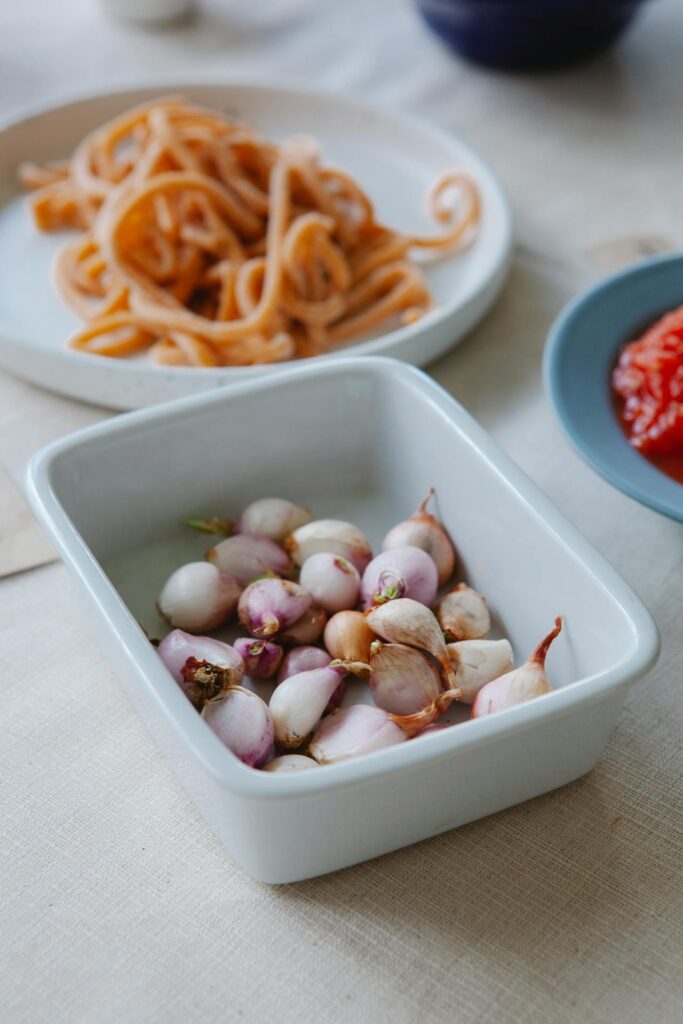
Growing Shallots
If you’re considering growing shallots, you’ll want to start by choosing the right variety for your climate and taste.
Preparing your soil is just as crucial, as shallots thrive in well-draining, nutrient-rich environments.
Once you’ve got that sorted, planting them correctly is key to a successful harvest.
But what comes next?
Understanding how to care for your shallot plants can make all the difference in flavor and yield.
Choosing the Right Variety of Shallots
When choosing the right variety of shallots, what factors should you consider?
First, think about your climate. Some shallot varieties thrive in warmer regions, while others prefer cooler temperatures.
Next, consider your culinary needs. If you love strong flavors, look for varieties like ‘Gray Shallot’ or ‘French Shallot.’
For milder options, ‘Echalion’ might be your best bet.
Also, pay attention to growth habits.
Some shallots grow in clusters, while others produce single bulbs.
Lastly, check for disease resistance, especially if you’ve had issues in the past.
Choosing the right shallot variety helps ensure a successful harvest and enhances your dishes.
Preparing the Soil for Planting
Before planting shallots, it’s crucial to prepare the soil properly to ensure healthy growth.
Start by choosing a sunny location with well-draining soil.
Shallots thrive in loamy or sandy soil rich in organic matter.
Test the soil pH; aim for a range of 6.0 to 7.0 for optimal growth.
To improve soil quality, mix in compost or well-rotted manure.
This adds nutrients and enhances drainage.
Next, remove any weeds or debris, as they can compete for nutrients.
Loosen the soil to a depth of at least 12 inches, making it easier for shallots to establish their roots.
Finally, rake the area smooth, ensuring an even surface for planting.
With prepared soil, you’re ready for the next steps!
Planting Shallots: Step-by-Step Guide
With the soil prepared and ready, you can move on to planting shallots.
First, choose healthy shallot bulbs, making sure they’re firm and free from rot.
Plant them about one to two inches deep, with the pointed end facing upwards.
Space the bulbs six inches apart in rows that are about a foot apart.
Gently cover them with soil and pat it down lightly.
Water the area thoroughly after planting to ensure moisture reaches the bulbs.
Keep the soil consistently moist but not soggy, as shallots prefer well-drained conditions.
Finally, add a light layer of mulch to help retain moisture and suppress weeds.
You’re now set for a successful shallot harvest!
Caring for Your Shallot Plants
Caring for your shallot plants is crucial for a bountiful harvest.
Start by ensuring they get 1 to 1.5 inches of water each week, especially during dry spells.
This keeps the soil evenly moist but not soggy.
Next, monitor for weeds; they can compete for nutrients and water.
Hand-pull or use mulch to suppress them effectively.
Fertilize your shallots with a balanced fertilizer about four weeks after planting to promote strong growth.
Keep an eye out for pests like onion flies and aphids.
If you spot any, act quickly with organic pesticides or insecticidal soap.
Lastly, make sure your shallots receive plenty of sunlight, aiming for at least six hours a day.
Healthy care leads to a thriving crop!
Harvesting and Storing Shallots
Once your shallots have reached maturity, usually indicated by the tops yellowing and falling over, it’s time to harvest.
Gently loosen the soil around the bulbs using a garden fork or spade, being careful not to damage them.
Pull the shallots from the ground and shake off any excess dirt.
After harvesting, let them dry in a well-ventilated area, ideally out of direct sunlight, for about two weeks.
This curing process enhances their flavor and extends storage life.
Once dried, trim the tops and roots, then store your shallots in a cool, dark place, such as a pantry or cellar.
Avoid storing them in plastic bags; instead, use mesh bags or baskets for proper airflow.
In conclusion, growing shallots can be a rewarding experience with just a bit of care and attention.
By selecting the right variety and preparing your soil properly, you set the stage for a successful harvest.
Remember to nurture your plants and keep an eye out for pests.
Once you’ve harvested and stored your shallots correctly, you’ll be able to enjoy their unique flavor in your meals for months to come.