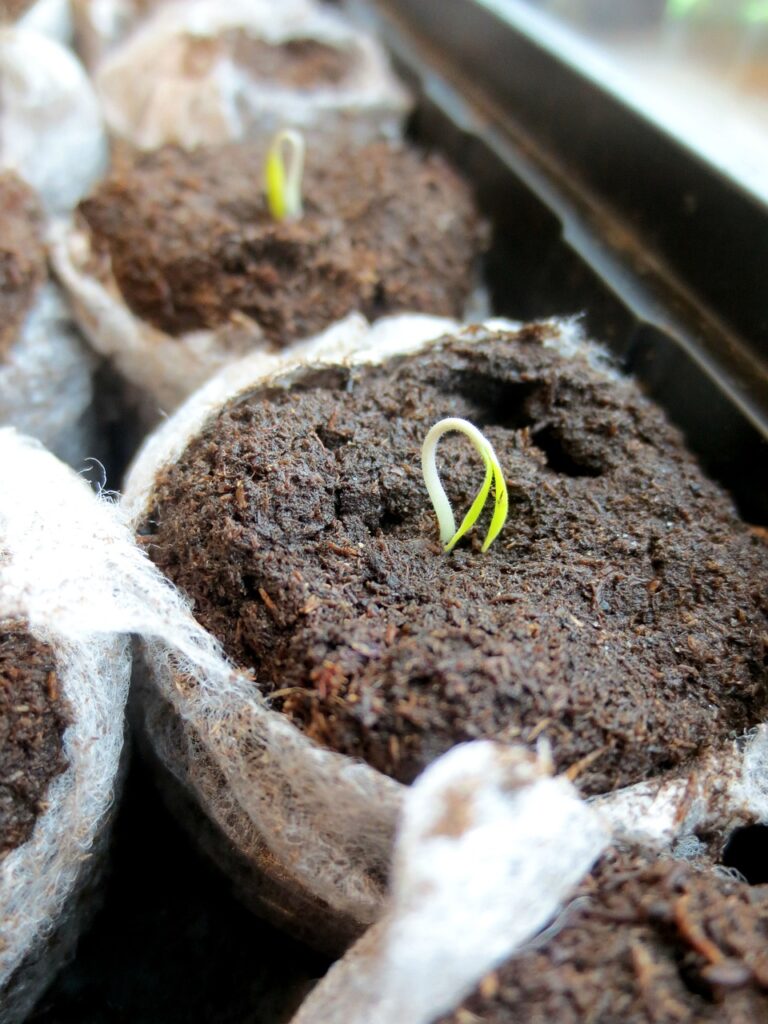
Growing in small areas and starting a small garden of your own, even in limited space, can be a great way to save money and enjoy the freshness of homegrown vegetables.
Here are some tips to help you get started with a small container garden:
Choose the Right Vegetables:
Select vegetables that are well-suited for container gardening and your climate.
Tomatoes, peppers, lettuce, herbs, radishes, spinach, and carrots are some options that work well in containers.
Select the Right Containers:
Use containers with adequate drainage holes to prevent waterlogging.
You can use pots, buckets, hanging baskets, or even repurposed containers like old crates, barrels, and even plastic bottles with proper drainage.
Quality Soil:
Use a good-quality potting mix that provides proper drainage and nutrients. This is important for healthy plant growth in containers.
Sunlight:
Place your containers in a location that receives sufficient sunlight.
Most vegetables need at least 6 hours of direct sunlight daily.
Watering:
Water your plants regularly but be careful not to overwater.
Containers can dry out quickly, so monitor the moisture levels and adjust your watering schedule accordingly.
Fertilizing:
Container plants may require more frequent fertilization than those in the ground.
You can use balanced liquid fertilizers or slow-release granules as per the plant’s requirements.
Spacing:
Make sure to provide adequate spacing between plants in containers to prevent overcrowding.
Crowded plants can lead to poor growth and increased susceptibility to pests and diseases.
Support for Climbing Plants:
If you’re growing climbing plants like tomatoes or beans, provide proper support structures like stakes or trellises.
Pest and Disease Management:
Keep an eye out for pests and diseases.
Regularly inspect your plants and take action promptly if you notice any issues.
Harvesting:
Harvest vegetables when they’re ripe. Regular harvesting also encourages more production.
Companion Planting:
Consider companion planting to deter pests and enhance growth.
For example, planting marigolds near your vegetable containers can help repel certain pests.
Rotate Crops:
If you have limited space, consider rotating your crops each season to maintain soil health and prevent disease buildup.
Herbs:
Herbs are great for small gardens. They can be grown in small containers on windowsills or balconies and are perfect for adding flavor to your meals.
Remember, container gardening allows you to be creative with the space you have.
You can even grow vertically using hanging containers or shelves to maximize your space.
Not only will you save money on groceries, but you’ll also experience the joy of nurturing your own plants and enjoying fresh, homegrown produce.
Growing in small areas can be so fruitful!