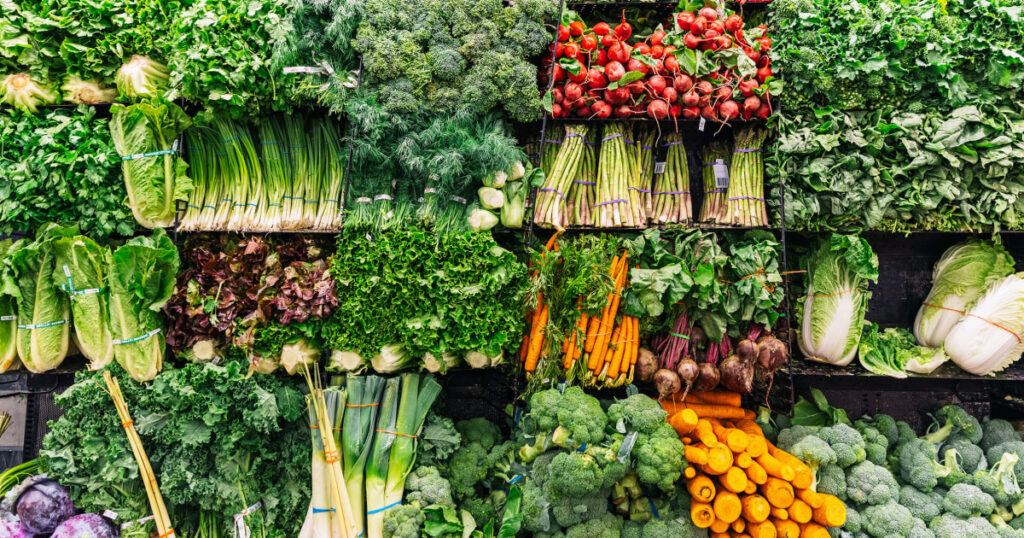
Vegetable Prices Soaring
You’ve probably noticed that vegetable prices are climbing rapidly. It’s not just a simple market fluctuation; several factors are at play with vegetable prices soaring.
Extreme weather, labor shortages, and increased demand are all contributing to this trend.
As you adjust your grocery budget, consider how these rising costs might affect your meals and overall nutrition.
What strategies can you employ to make the most of your shopping trips?
Let’s explore the underlying reasons and practical solutions.
How Rising Vegetable Prices Impact Your Grocery Budget
As vegetable prices climb, you may find your grocery budget feeling the strain.
Higher costs can lead to tougher choices at the store.
You might skip fresh produce, opting for frozen or canned options instead, which can affect the nutritional quality of your meals.
It’s not just about spending less; it’s about balancing your diet.
You could also notice that your favorite recipes become more expensive to prepare, forcing you to rethink meal planning.
If you’re not careful, you might end up compromising on variety, leading to a less satisfying eating experience.
To manage this challenge, consider shopping seasonally or exploring local markets, which could help you keep your grocery bill in check while still enjoying healthy meals.
What’s Driving Up Vegetable Prices?
Several factors are driving up vegetable prices, making it crucial for you to understand the underlying issues.
Weather events like droughts and floods disrupt harvests, leading to shortages.
Increased demand for fresh produce, especially during the pandemic, puts additional pressure on supply.
Labor shortages in the agricultural sector mean fewer hands to pick and pack your favorite veggies, driving costs higher.
Moreover, rising fuel prices impact transportation costs, affecting how much you pay at the grocery store.
Lastly, inflation plays a significant role, with overall price increases affecting everything from seeds to shelf prices.
How Do Supply Chain Issues Change Your Grocery Bill?
When supply chain issues arise, you might notice a significant impact on your grocery bill.
Delays in transportation and production can lead to shortages of fresh vegetables, causing prices to spike.
When farmers struggle to get their products to market, you pay more for what’s available.
Additionally, increased shipping costs often trickle down to you, as retailers adjust their prices to maintain profits.
You may also see less variety in the produce aisle, forcing you to choose pricier alternatives.
If certain vegetables are hard to find, you might even buy more processed options, which can further inflate your costs.
How Does Climate Change Affect Vegetable Prices?
Climate change significantly impacts vegetable prices, affecting everything from crop yields to growing seasons.
As temperatures rise and weather patterns shift, you might notice that certain vegetables become scarcer.
Droughts can reduce harvests, while excessive rain may spoil crops.
These fluctuations lead to higher prices at the grocery store.
Additionally, climate change can cause pests and diseases to thrive, further diminishing yields and increasing costs for farmers.
As farmers face these challenges, you’ll likely see the impact on your shopping bills, especially for seasonal vegetables.
With unpredictable weather patterns, it’s essential to stay informed about how these changes affect your favorite produce, as the consequences extend beyond just the fields to your kitchen budget.
Effective Strategies for Grocery Shopping During Price Hikes
As prices for vegetables soar, finding effective grocery shopping strategies becomes essential to keeping your budget in check.
Start by planning your meals around seasonal produce; it’s often cheaper and fresher. Make a list before you shop to avoid impulse buys.
Consider visiting local farmers’ markets or discount stores, where prices can be lower than chain supermarkets.
Buy in bulk, when possible, especially for staple items.
Don’t shy away from frozen or canned vegetables—they’re often more affordable and have a longer shelf life.