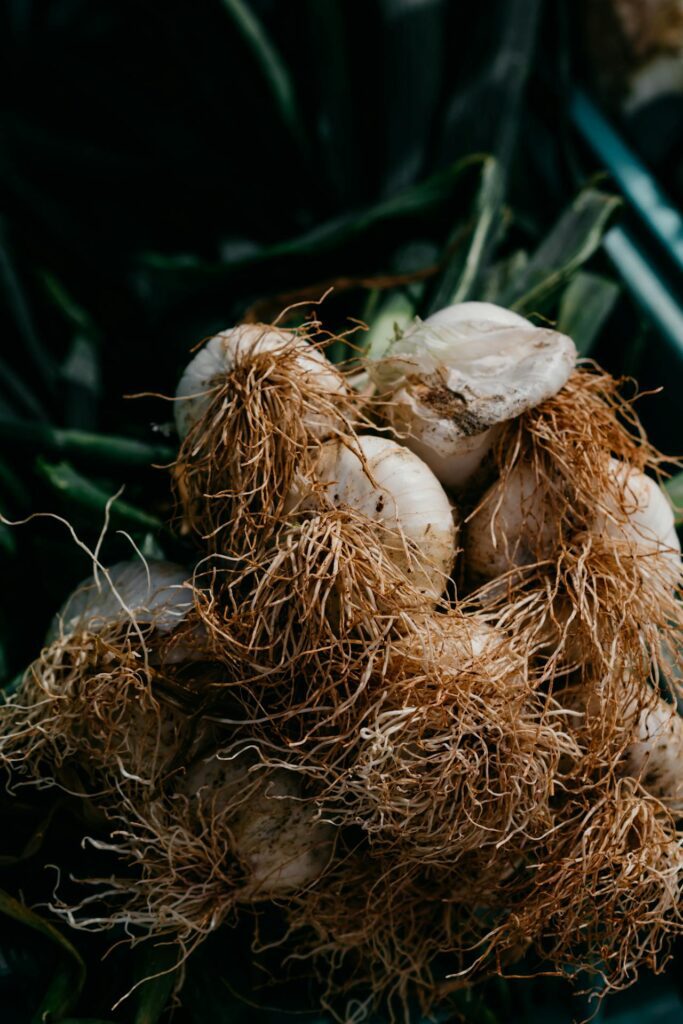
Storing Garlic Cloves
When it comes to storing garlic cloves, you might think it’s as simple as tossing them in a drawer.
But there’s more to it if you want to maintain their flavor and freshness.
The right storage conditions can make all the difference.
Let’s explore how to keep your garlic in prime condition and what to watch out for to avoid spoilage.
You’ll want to know these tips to get the most out of your garlic.
Choosing the Right Type of Garlic
When choosing the right type of garlic, how do you know which variety suits your needs best?
First, consider your flavor preferences.
Soft neck garlic tends to have a milder taste and is great for braiding, while hard neck garlic offers a stronger, spicier flavor, perfect for roasting.
Next, think about your climate.
Soft neck varieties thrive in warmer areas, while hard necks prefer cooler regions.
You might also want to explore specialty types, like elephant garlic, which is milder and larger.
If you’re looking for long-term storage, soft neck varieties usually last longer than hard necks.
Finally, don’t forget about the culinary uses—some garlic types work better in specific dishes.
Choose wisely to enhance your meals and enjoy the full garlic experience!
Ideal Storage Conditions
To keep your garlic cloves fresh and flavorful, it’s essential to store them under ideal conditions.
First, find a cool, dark place with good air circulation, like a pantry or cupboard.
Avoid storing garlic in plastic bags, as they trap moisture and can lead to mold.
Instead, use mesh bags or baskets that allow air to flow around the cloves.
Keep the temperature between 60°F and 65°F (15°C to 18°C) for optimal storage.
Humidity is also important; aim for a dry environment to prevent sprouting.
Lastly, keep garlic away from direct sunlight, as light can degrade its quality.
By following these guidelines, you’ll maintain the taste and longevity of your garlic cloves.
Long-Term Storage Options
If you’re looking to extend the shelf life of your garlic cloves, consider several effective long-term storage options.
One popular method is freezing.
Simply peel and chop or crush your garlic, then place it in airtight containers or ice cube trays.
You can also store garlic in oil but keep it in the fridge to prevent botulism.
Another option is dehydrating; use a dehydrator or an oven on low heat to remove moisture, then store the dried garlic in airtight jars.
Lastly, pickling your garlic cloves in vinegar can add flavor while preserving them for months.
Each of these methods allows you to enjoy garlic’s flavor and health benefits long after harvest.
Signs of Spoilage
How can you tell if your garlic cloves have gone bad?
First, check for any soft or mushy spots.
Fresh garlic should feel firm to the touch.
If you notice any signs of mold, it’s time to toss them out.
Discoloration, like dark spots or sprouting green shoots, can indicate spoilage as well.
While sprouted garlic isn’t necessarily harmful, it might taste bitter.
Also, give them a sniff—if you detect a sour or off smell, don’t hesitate to discard them.
Lastly, if the cloves are shriveled or dried out, they’ve likely lost their flavor and potency.
Trust your senses; when in doubt, it’s best to err on the side of caution and replace your garlic.
Creative Uses for Leftover Garlic
Although you might think leftover garlic is only good for tossing out, there are plenty of creative ways to use it.
You can infuse olive oil with those leftover cloves, creating a flavorful base for dressings or marinades.
Toss them into soups or stews for an extra kick or blend them into hummus for a garlicky twist.
If you’re feeling adventurous, try roasting the cloves with vegetables to enhance their sweetness.
You can even chop them up and mix them into butter for a delicious garlic spread.
Lastly, don’t forget about using garlic in homemade sauces or dips—your leftovers can add depth and flavor.
Embrace your leftover garlic and let your culinary creativity shine!
In conclusion, storing garlic cloves properly can enhance their longevity and flavor.
By choosing the right type of garlic and keeping it in a cool, dark place with good air circulation, you’ll ensure it stays fresh.
Remember to check for signs of spoilage and get creative with any leftover cloves.
With these simple tips, you can enjoy the robust taste of garlic in your dishes for weeks to come!