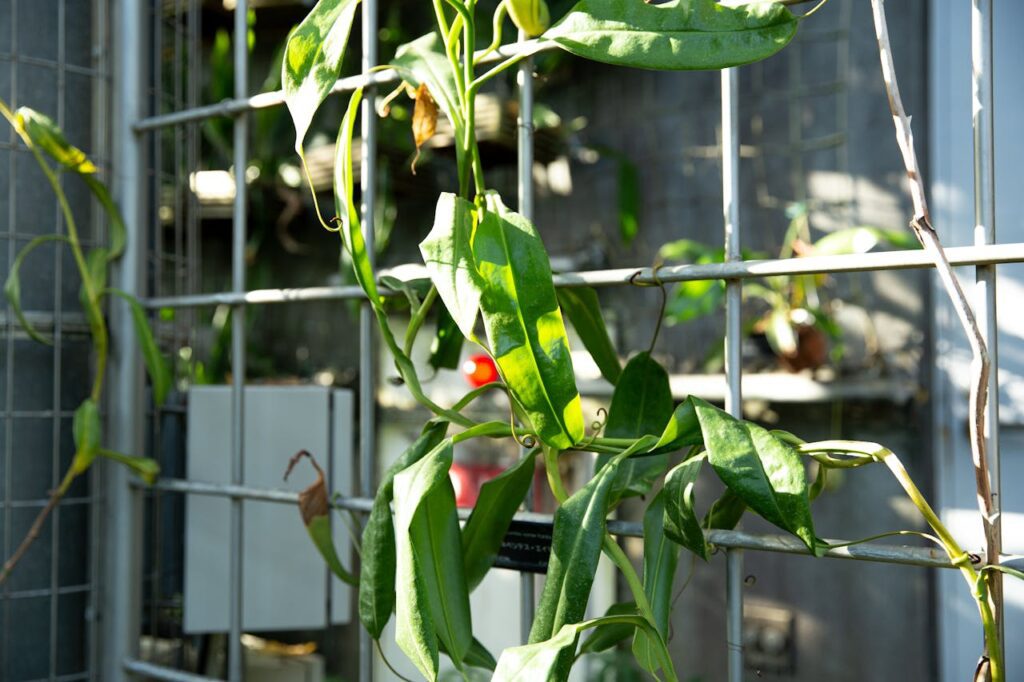
Making a Bean Vine Fence
If you’re looking to combine gardening with functional landscaping, creating a bean vine fence might be just the project for you.
You’ll want to choose the right beans that suit your climate and space needs.
Once you’ve sorted that out, preparing the planting site is crucial for success.
Curious about how to construct a sturdy support structure that will help your beans thrive?
Let’s explore the next steps together.
Choosing the Right Beans for Your Fence
When you’re choosing the right beans for your fence, consider both your climate and the space available for growth.
Different bean varieties thrive in various conditions, so knowing your region’s temperature and rainfall can guide your selection.
For warmer climates, think about growing pole beans like Kentucky Wonder or Blue Lake, which can climb high and produce bountifully.
If you have limited space, bush beans, like Provider or Jade, might be a better fit.
They grow compactly and still offer plenty of beans.
Additionally, consider the growing season; some beans mature faster than others.
Ultimately, select varieties that suit your needs and preferences to ensure a vibrant and productive bean vine fence.
Preparing the Site for Planting
After selecting the right bean varieties for your fence, it’s time to prepare the site for planting.
Start by choosing a sunny location, as beans thrive in direct sunlight.
Clear the area of weeds, rocks, and debris to create a clean planting bed.
Next, loosen the soil to a depth of about 12 inches, allowing for proper root penetration.
You can mix in compost to enrich the soil with nutrients.
Make sure the soil drains well; if it’s too compact, consider adding sand or organic matter.
Finally, use a rake to level the surface, ensuring an even planting area.
Constructing the Support Structure
To ensure your bean vines grow strong and healthy, constructing a sturdy support structure is essential.
Start by deciding on the type of support you want, such as trellises, fences, or poles.
If you choose a trellis, use durable materials like wood or metal, ensuring it’s at least six feet tall for optimal vine growth.
Space your supports about three feet apart for adequate light and air circulation.
Secure the structure firmly in the ground to withstand wind and weight.
If using poles, consider tying them together at the top for added stability.
Finally, remember to position your support in a sunny area, allowing your bean vines to thrive as they climb and flourish.
Planting and Caring for Your Bean Vines
As you prepare to plant your bean vines, choosing the right time and method is crucial for a successful harvest.
Wait until the danger of frost has passed and soil temperatures reach at least 60°F.
Plant your seeds directly in the soil, about an inch deep and spaced four to six inches apart.
Water them regularly, ensuring the soil stays moist but not soggy.
As your vines grow, provide them with ample support by tying them loosely to the fence or trellis.
Keep an eye out for pests and diseases, addressing any issues promptly.
Fertilize your plants with a balanced mix every few weeks to encourage healthy growth.
With proper care, your bean vines will thrive beautifully!
Harvesting and Enjoying Your Beans
Once your bean vines are healthy and producing, you’ll want to know when to harvest for the best flavor and texture.
Look for beans that are firm and plump but not overripe.
If you’re growing snap beans, pick them when they’re young and tender, usually around 4-6 inches long.
For dry beans, wait until the pods turn brown and the beans rattle inside.
Harvest in the morning for optimal freshness and flavor.
Use scissors or garden shears to avoid damaging the plant.
Enjoy your beans fresh, steamed, or sautéed, or store them for later use.
You can also freeze them for longer preservation.
Relish the fruits of your labor, knowing you’ve created a beautiful and functional bean vine fence!
Creating a bean vine fence not only adds beauty to your garden but also provides a bountiful harvest.
By choosing the right beans, preparing your site, and constructing a sturdy support structure, you’ll set yourself up for success.
With regular care, you’ll watch your vines flourish and enjoy fresh beans right from your garden.
So, roll up your sleeves, get planting, and embrace the joy of growing your own food while enhancing your outdoor space!