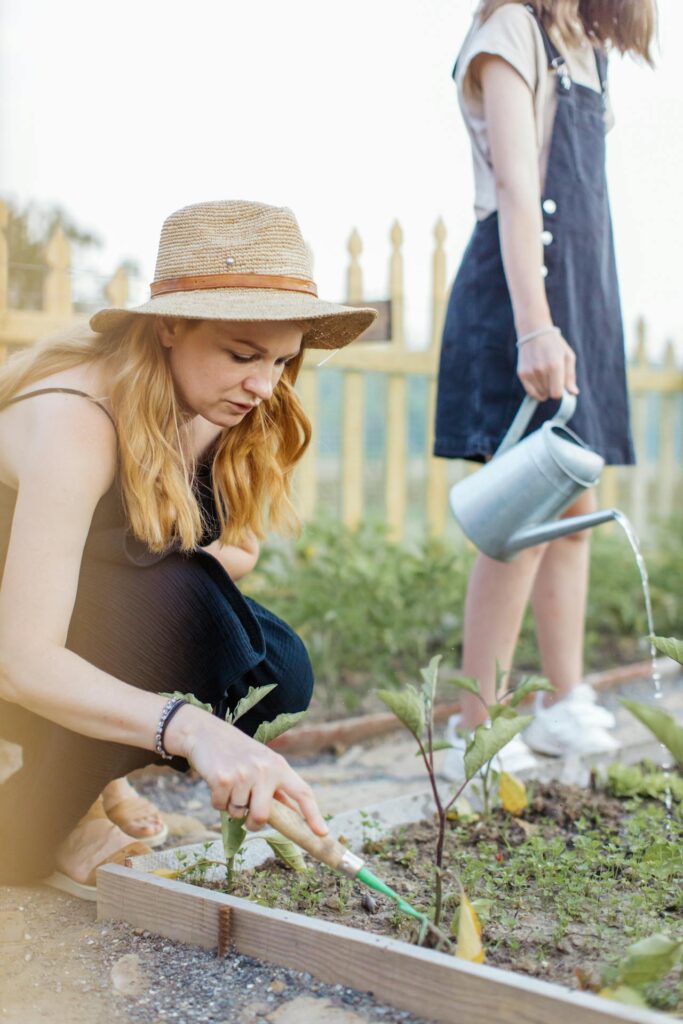
Therapeutic Gardening
Have you ever considered how gardening could benefit your mental and physical well-being with therapeutic gardening?
Engaging with nature can offer more than just fresh air; it promotes stress relief and a sense of purpose.
As you cultivate plants, you might find surprising changes in your mood and overall health.
But what specific techniques can enhance your experience?
Let’s explore the various aspects of therapeutic gardening and how it can transform your life.
Benefits of Therapeutic Gardening
When you engage in therapeutic gardening, you’re not just planting seeds; you’re also nurturing your mental and physical well-being.
This hands-on activity provides you with a sense of purpose and accomplishment as you watch your plants grow.
It encourages you to spend time outdoors, soaking up sunlight and fresh air, which boosts your mood and energy levels.
Digging in the soil can be a great way to relieve stress and anxiety, allowing you to focus on the present moment.
Additionally, gardening promotes physical activity, enhancing your strength, flexibility, and overall health.
You might even find that nurturing plants fosters creativity and mindfulness, making it a fulfilling way to enrich your life while cultivating beauty around you.
The Science Behind Gardening and Mental Health
Research shows that gardening can significantly enhance mental health, as it engages both the body and mind in a way that promotes healing and well-being.
When you dig your hands into the soil, you’re not just planting seeds; you’re also reducing stress and boosting your mood.
Studies indicate that exposure to nature lowers cortisol levels and increases serotonin, the “feel-good” hormone.
The rhythmic activities involved in gardening provide a calming effect, similar to mindfulness meditation.
Additionally, nurturing plants fosters a sense of purpose and accomplishment, which can combat feelings of anxiety and depression.
Getting Started With Therapeutic Gardening
If you’re ready to embark on your therapeutic gardening journey, start by choosing a space that inspires you.
This could be a small balcony, a backyard, or even a community garden.
Once you have your location, think about the types of plants you’d like to grow.
Consider starting with easy-to-care-for options like herbs or flowers that bring you joy.
Gather your tools and supplies, like soil, pots, and gardening gloves.
Set realistic goals; even spending a few minutes a day can be beneficial.
Don’t rush the process—take your time to connect with nature and observe your plants’ growth.
Most importantly, enjoy the experience; let gardening become a soothing retreat from life’s stresses.
Techniques to Enhance Your Gardening Experience
To truly enhance your gardening experience, consider incorporating mindfulness techniques into your routine.
Take a moment to breathe deeply as you step into your garden.
Focus on the sights, sounds, and smells around you.
This presence can deepen your connection with nature.
When planting, visualize the growth and beauty that will emerge; it fosters patience and appreciation.
You can also try journaling about your gardening journey.
Documenting your thoughts, observations, and successes can provide clarity and motivation.
Experiment with different sensory activities, like feeling the soil or listening to the rustling leaves.
Finally, set small, achievable goals to celebrate progress, whether it’s a flourishing flower or a bountiful harvest.
Embrace each moment, and let your garden nourish your soul.
Community and Social Impact of Therapeutic Gardening
While many people view gardening as a solitary activity, it can also serve as a powerful tool for building community and fostering social connections.
When you engage in therapeutic gardening, you’re not just nurturing plants; you’re cultivating relationships.
Community gardens bring diverse groups together, allowing you to share knowledge, resources, and experiences.
This collaboration enhances social interaction and reduces feelings of isolation.
You might find yourself exchanging tips with neighbors or participating in group workshops, which can deepen bonds and create a sense of belonging.
Additionally, these gardens often promote inclusivity, welcoming individuals from various backgrounds.
By participating, you contribute to a supportive environment that benefits everyone, demonstrating the profound social impact of gardening on your community.
Incorporating therapeutic gardening into your life can transform your well-being and connect you with nature and others.
As you dig in the soil, plant seeds, and nurture your garden, you’re not just cultivating plants but also fostering your mental and physical health.
Embrace the joy and purpose that comes from this rewarding practice, and don’t hesitate to involve your community.
Together, you can grow not just flowers and vegetables, but stronger bonds and shared experiences.