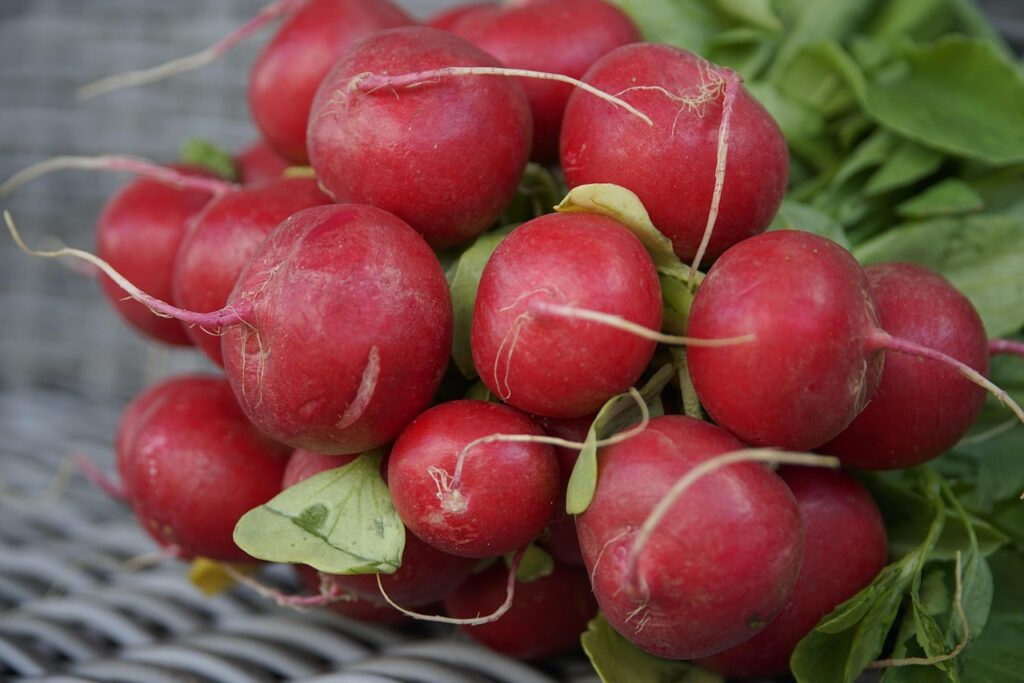
Keeping Vegetables Fresh While Storing
When it comes to storing your vegetables, understanding the right conditions is crucial for keeping them fresh.
You need to maintain a specific temperature range and consider how different veggies interact with each other.
It’s not just about where you place them but also how you store them.
. Curious about the best practices and techniques to enhance your vegetable storage?
Let’s explore what really keeps your greens crisp and vibrant.
Understanding Ideal Storage Conditions
Understanding the ideal storage conditions for vegetables allows you to significantly extend their freshness and flavors.
First, consider temperature; most vegetables thrive in cool, dark places, ideally between 32°F and 40°F.
Humidity also plays a crucial role; leafy greens prefer high humidity, while root vegetables do well in drier environments.
Next, pay attention to airflow; storing vegetables in breathable bags or containers helps reduce moisture buildup, preventing spoilage.
Avoid placing ethylene-producing fruits, like apples and bananas, near sensitive veggies, as this gas speeds up ripening.
Lastly, keep your storage area clean and organized to prevent cross-contamination.
Best Practices for Refrigeration
To keep your vegetables at their freshest, you should follow some best practices for refrigeration.
First, set your fridge temperature to around 32°F (0°C) to maintain crispness without freezing.
Make sure to store your vegetables in the crisper drawer, which is designed to control humidity.
Avoid washing your veggies before storing them, as moisture can lead to spoilage; wash them right before you plan to use them instead.
Keep strong-smelling vegetables, like onions and garlic, separate from others to prevent flavor transfer.
Lastly, check your fridge regularly for any spoiled items, as one bad vegetable can affect the freshness of the others.
Proper Container Selection
Choosing the right containers for your vegetables plays a significant role in maintaining their freshness.
Opt for breathable containers like mesh bags or perforated plastic bins, as they allow air circulation, preventing moisture buildup.
Glass containers with airtight lids can also work well for leafy greens, keeping them crisp.
Avoid using regular plastic bags, which can trap moisture and lead to spoilage.
Additionally, consider using reusable produce bags made from natural fibers; they’re eco-friendly and promote ventilation.
Make sure to label your containers with dates to keep track of freshness.
Techniques for Long-Term Storage
While fresh vegetables are best enjoyed immediately, several techniques can help you store them long-term without sacrificing quality.
First, consider blanching your veggies before freezing; this process preserves color and nutrients.
You can also try dehydrating, which removes moisture and prevents spoilage.
Vacuum sealing is another excellent method, as it limits air exposure and extends freshness.
For root vegetables, storing them in a cool, dark place with proper ventilation can work wonders.
Additionally, pickling or fermenting can add flavor while prolonging shelf life.
Lastly, if you have excess produce, canning is a great way to enjoy them year-round.
Signs of Freshness and Spoilage
How can you tell if your vegetables are still fresh or starting to spoil?
Check their appearance first.
Fresh vegetables look vibrant and firm, while spoiling ones may appear dull, shriveled, or discolored.
Smell is another indicator; if they emit a sour or off odor, they’re likely past their prime.
For leafy greens, look for wilting or browning edges.
When it comes to root vegetables, check for softness or mushy spots.
If you notice any mold or sliminess, toss them out immediately.
Remember, freshness is key to enjoying the best flavor and nutrition, so regularly inspect your stash.
Keeping an eye on these signs can help you make the most of your vegetables before they spoil.
To keep your vegetables fresh, remember to store them at the right temperatures and in the crisper drawer.
Use breathable containers for airflow and separate ethylene producers from sensitive veggies.
Regularly check for spoilage and avoid washing before storage.
By following these tips, you’ll not only maximize freshness but also reduce waste.
With a little organization and attention, your vegetables will stay crisp and delicious for longer!