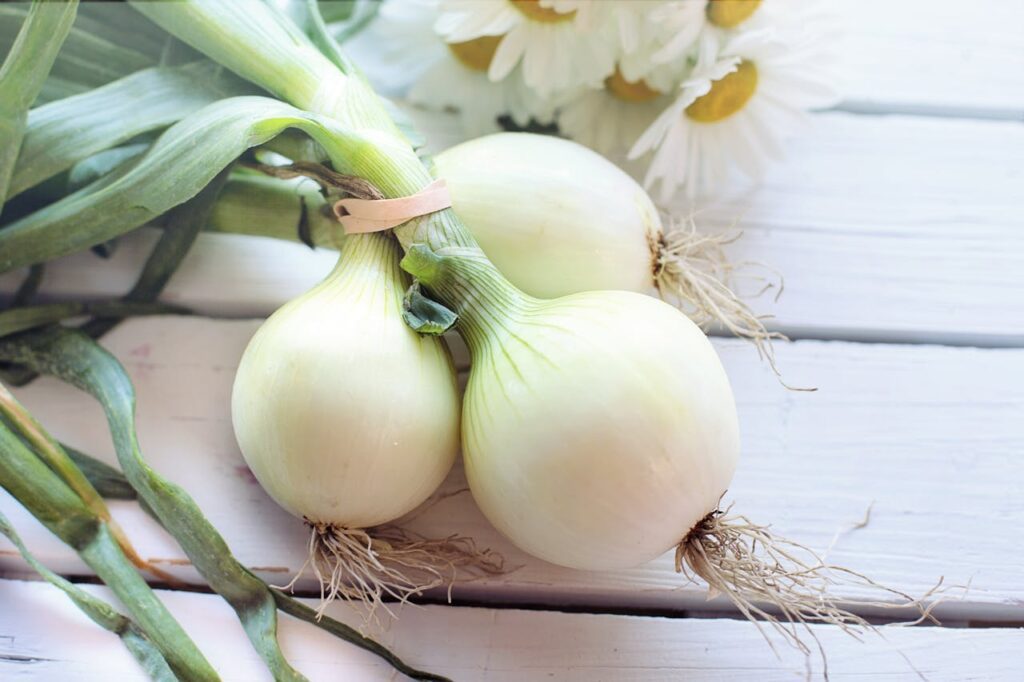
Best Way to Store Onions
When it comes to storing onions, the method you choose can significantly impact their freshness and longevity from the best way to store onions.
It’s essential to consider factors like temperature and ventilation.
If you’re unsure how to keep your onions in top shape, you’re not alone.
Many people overlook simple storage techniques that can make a big difference.
Let’s explore the best practices to ensure your onions stay flavorful and last longer.
Choosing the Right Type of Onion
When you’re picking onions, it’s important to consider the type that suits your cooking needs best.
Yellow onions are great for everyday cooking, offering a balanced flavor that works well in most dishes.
If you’re looking for sweetness, go for red onions; they shine in salads and sandwiches.
For a milder taste, white onions are perfect in salsas or as toppings.
Shallots are a fantastic choice for gourmet dishes, adding a subtle complexity
.
Each type has its unique flavor profile and culinary applications, so think about how you plan to use them.
By choosing the right onion, you’ll enhance your meals and create more flavorful dishes that impress your family and friends.
Ideal Storage Conditions
To keep your onions fresh and flavorful, it’s crucial to store them in ideal conditions.
First, find a cool, dark place with good ventilation, like a pantry or cellar.
Ideally, the temperature should be between 45°F and 55°F.
Avoid places that are too warm or humid, as this can lead to sprouting or rot.
It’s also important not to store onions near potatoes, since they can release moisture and gases that speed up spoilage.
Use mesh bags or baskets that allow air circulation, rather than airtight containers.
Lastly, check your onions regularly for any signs of spoilage, removing any affected ones to prevent them from affecting the others.
Following these tips will help you maintain their quality longer.
Storing Whole Onions
Whole onions thrive best in a well-ventilated space that’s cool and dark.
Store them in a breathable bag, like a mesh or paper sack, to allow air circulation.
Avoid plastic bags, as they trap moisture, leading to mold or rot.
Keep onions away from potatoes, as they both release gases that can spoil each other.
Aim for a temperature between 45°F to 55°F (7°C to 13°C) for optimal preservation.
Check your onions regularly for any signs of spoilage, like softness or sprouting, and remove any affected ones immediately.
Storing Cut Onions
Cut onions require different storage methods to maintain their freshness and flavor.
Once you’ve sliced or diced an onion, wrap it tightly in plastic wrap or place it in an airtight container.
This helps prevent odor transfer and keeps the onion from drying out.
Store the container in the refrigerator, where it can last for about 7 to 10 days.
If you’ve got leftover onion pieces, try to use them soon to enjoy their best taste.
Avoid storing cut onions near other foods that easily absorb odors, like milk or cheese.
Remember, keeping your cut onions properly stored will ensure you get the most out of their flavor and nutritional benefits.
Signs of Spoilage and Proper Disposal
While you may think onions can last indefinitely, there are clear signs of spoilage to watch for.
First, check for soft spots or mushy areas; these indicate decay.
If you notice a slimy texture or excessive moisture, it’s time to toss them out.
A strong, unpleasant odor is another red flag.
Additionally, if you spot any mold, don’t hesitate to dispose of the onion, as mold can spread quickly.
When it comes to disposal, place spoiled onions in a compost bin if they’re mold-free or throw them in the trash if they’re not.
To prevent future waste, regularly check your onions and use the older ones first to keep your kitchen fresh and efficient.
In conclusion, storing onions properly is key to keeping them fresh and flavorful.
Choose the right type of onion and create ideal storage conditions by keeping them cool, dark, and well-ventilated.
Remember to store whole onions in breathable bags and wrap cut ones tightly before refrigerating.
Always check for signs of spoilage to ensure you’re using onions at their best.
By following these tips, you can enjoy your onions longer and enhance your dishes with their delicious taste.