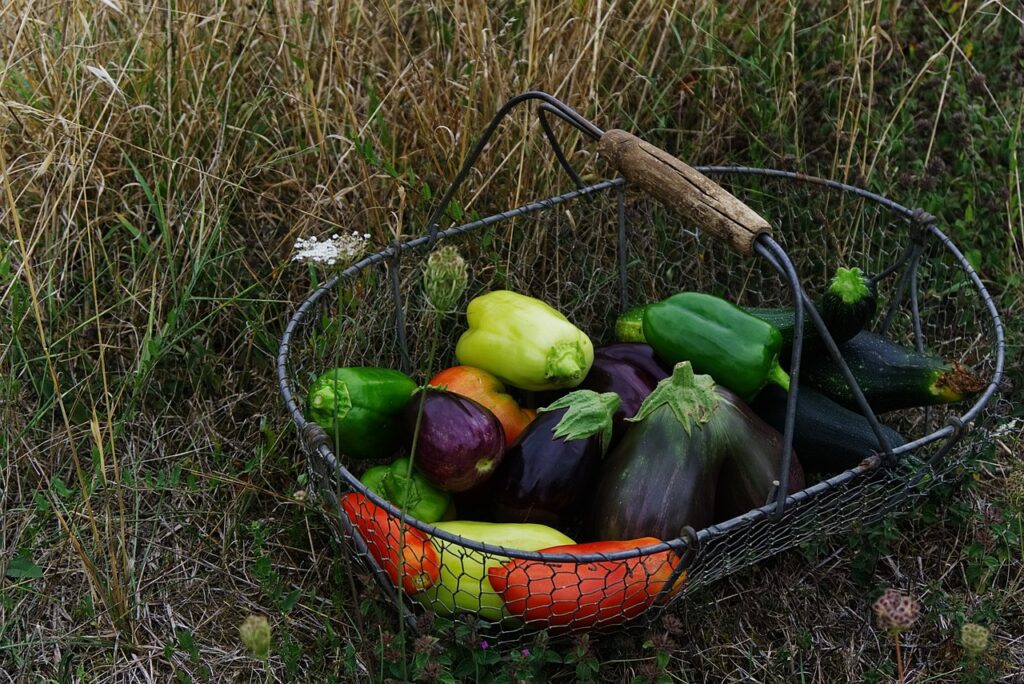
How to Store Fresh Vegetables
When it comes to storing fresh vegetables, you need to understand that not all veggies have the same requirements for learning How to Store Fresh Vegetables.
You’ll want to keep ethylene-producing vegetables like tomatoes separated from sensitive ones such as leafy greens.
Proper storage techniques can significantly extend their shelf life, but you might be surprised by the common mistakes many make that lead to spoilage.
If you’re curious about the best methods and conditions to keep your produce fresh, there’s much more to explore about maintaining their quality and flavor.
Understanding Vegetable Storage Needs
When it comes to storing fresh vegetables, understanding their specific needs is crucial for maintaining their flavor and nutritional value while learning How to Store Fresh Vegetables.
Different vegetables have unique requirements based on their moisture content, ethylene production, and temperature preferences.
For instance, leafy greens like spinach and lettuce thrive in high humidity, while root vegetables such as carrots and potatoes prefer a cool, dark environment.
You should also consider the ethylene sensitivity of certain veggies.
Tomatoes and avocados produce ethylene gas, which can hasten the ripening and spoilage of nearby produce.
Keep these items separate from more sensitive vegetables like broccoli and lettuce to prolong their freshness.
Temperature plays a vital role, too.
Most vegetables do best in the refrigerator, but some, like onions and garlic, should stay in a dry, cool pantry.
Pay attention to how you store your vegetables.
Use breathable bags for humidity-loving greens, while root veggies can be stored in perforated containers.
Best Storage Methods for Vegetables
Choosing the right storage methods for vegetables can significantly extend their freshness and quality.
First, consider using breathable bags or containers for leafy greens.
These methods allow air circulation, helping prevent wilting.
For root vegetables like carrots and potatoes, keep them in a cool, dark place, preferably in a perforated plastic bag or a box filled with sand.
This keeps moisture levels balanced and maintains their crispness.
If you’re storing vegetables like bell peppers or zucchini, the crisper drawer in your fridge is ideal.
It maintains optimal humidity levels, ensuring your veggies stay fresh longer.
On the other hand, tomatoes should never be refrigerated; keep them on your countertop to preserve their flavor and texture.
For longer storage, consider blanching your vegetables before freezing.
This process halts enzyme action, maintaining color and flavor.
Once cooled, place them in airtight containers or freezer bags to prevent freezer burn.
Lastly, keep ethylene-producing fruits like apples and bananas away from your veggies. Ethylene can speed up spoilage, shortening their lifespan.
Ideal Temperatures for Freshness
Storing vegetables at the right temperatures plays a vital role in maintaining their freshness and quality.
Most vegetables thrive in cooler environments, ideally between 32°F and 40°F (0°C to 4°C).
This range slows down spoilage and preserves nutrients.
For leafy greens, like lettuce and spinach, aim for the lower end of this spectrum to keep them crisp and vibrant.
Some vegetables, however, prefer slightly warmer conditions.
Tomatoes and avocados, for instance, do best at around 55°F to 70°F (13°C to 21°C).
If you store them too cold, you risk compromising their flavor and texture.
Root vegetables, like carrots and potatoes, typically like it cooler, but be cautious with potatoes—they should be kept in a dark, cool place, ideally around 45°F to 50°F (7°C to 10°C), to prevent sprouting.
Remember to avoid storing vegetables near fruits, especially those that produce ethylene gas, like apples and bananas.
This gas can hasten ripening and lead to premature spoilage.
Common Mistakes to Avoid
Many people unknowingly make mistakes that can lead to spoiled vegetables and wasted money.
One common error is storing different types of vegetables together.
Some emit gases that can hasten spoilage for others, so keep ethylene-producing veggies, like tomatoes, away from sensitive ones, like cucumbers.
Another mistake is washing your vegetables before storing them.
Excess moisture can create an environment for mold and decay.
Instead, wash them just before use.
You might also overlook the importance of proper ventilation.
Storing vegetables in sealed bags or containers can trap moisture, leading to rot.
Use perforated bags or breathable containers to allow airflow.
Don’t forget about temperature, either.
Storing vegetables at the wrong temperature can drastically reduce their shelf life.
For example, keep leafy greens in the fridge, but store root vegetables like potatoes in a cool, dark place.
Tips for Long-Term Storage
How can you ensure your fresh vegetables last for months instead of days?
The secret lies in proper long-term storage techniques.
First, consider blanching your vegetables before freezing.
This process helps preserve flavor, color, and nutrients.
Simply boil them for a few minutes, then plunge them into ice water to stop the cooking process.
After draining and drying, pack them into airtight freezer bags or containers.
For root vegetables like carrots and potatoes, keep them in a cool, dark, and well-ventilated space.
A basement or root cellar works wonders.
Avoid storing them in plastic bags, as moisture can lead to rot. Instead, use burlap or paper bags for better air circulation.
If you want to store vegetables like tomatoes or peppers, consider canning or pickling.
Make sure to follow safe preservation guidelines to maintain quality and prevent spoilage.
Lastly, check your stored vegetables regularly.
Remove any that show signs of spoilage immediately to prevent them from affecting the others.
In conclusion, storing fresh vegetables properly is key to keeping them vibrant and tasty.
Remember to separate ethylene-producing veggies from sensitive ones, use breathable bags for leafy greens, and keep root vegetables in a cool, dark spot.
Avoid washing them before storage and regularly check for spoilage.
By following these tips, you’ll enjoy longer-lasting, fresher produce.