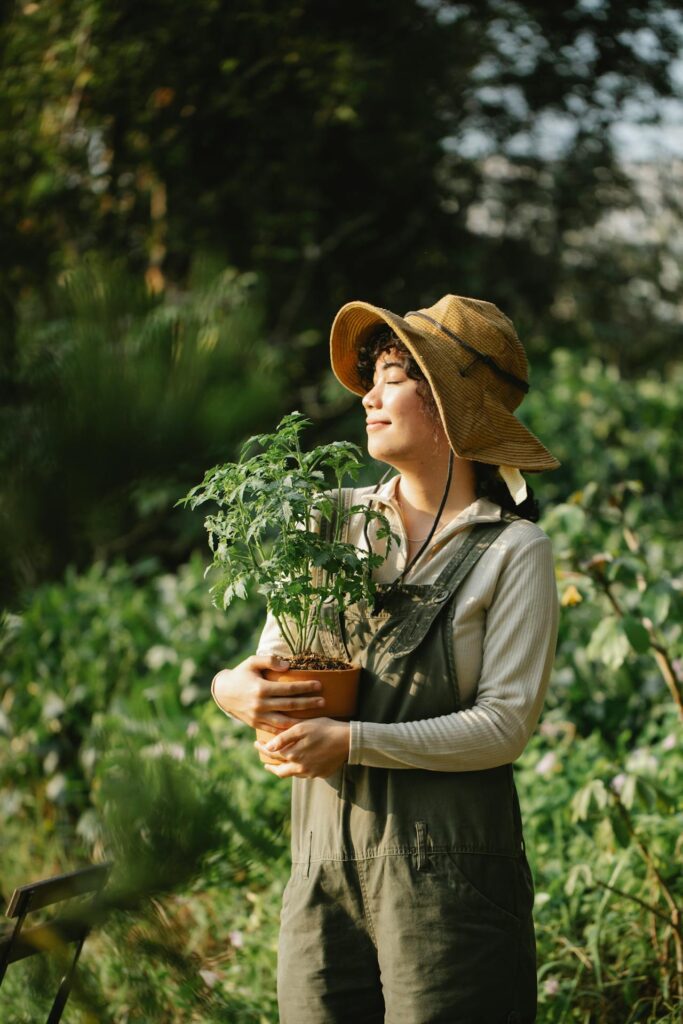
Proper Sunlight for Garden
Ensure your garden thrives by providing adequate sunlight. Keep plants healthy and vibrant by understanding their sunlight needs. Different plants require varying levels of sun exposure to grow strong. Position sun-loving plants strategically to make the most of the sunlight. Remember, proper sunlight is crucial for the success of your garden.
Importance of Sunlight in Gardening
When cultivating a garden, you must understand the crucial role sunlight plays in ensuring the health and growth of your plants. Sunlight is essential for photosynthesis, the process through which plants create energy to grow. Without an adequate amount of sunlight, your plants may become weak, leggy, or fail to produce flowers or fruits. Different plants have varying sunlight needs, so it’s essential to know the requirements of the specific plants in your garden.
Sunlight also helps in preventing certain diseases by drying out excess moisture on the leaves and soil. It can deter pests that thrive in damp environments, reducing the likelihood of infestations. Additionally, exposure to sunlight helps to enhance the coloration of flowers and foliage, making your garden visually appealing.
To maximize the benefits of sunlight, ensure that your garden receives the appropriate amount of sunlight based on your plants’ requirements. Regularly monitor the sun patterns in your garden to determine the best spots for different types of plants. By understanding the importance of sunlight in gardening, you can help your plants thrive and create a vibrant and healthy garden space.
Choosing the Right Sun Exposure
For optimal plant growth and health, selecting the proper sun exposure is crucial in gardening. When choosing the right sun exposure for your garden, consider the sunlight requirements of the plants you intend to grow. Some plants thrive in full sun, requiring at least six to eight hours of direct sunlight daily. Examples of full-sun plants include tomatoes, peppers, and most herbs. On the other hand, some plants prefer partial sun or shade, such as lettuce, spinach, and hostas, which do well with only a few hours of sunlight or dappled shade throughout the day.
Observing your garden throughout the day can help you determine the amount of sunlight different areas receive. Note the patterns of light and shade to identify spots with full sun, partial sun, or shade. Additionally, factors like nearby buildings or trees can cast shadows that affect sunlight exposure. By understanding the sunlight conditions in your garden, you can strategically place plants to ensure they receive the right amount of sun for optimal growth and productivity.
Understanding Sunlight Requirements for Plants
To optimize plant growth and health in your garden, understanding the sunlight requirements of different plant varieties is essential. Each plant has specific needs when it comes to sunlight exposure. Some plants thrive in full sun, needing at least six to eight hours of direct sunlight each day. Examples of full-sun plants include tomatoes, peppers, and roses.
On the other hand, some plants prefer partial shade, which means they require around three to six hours of sunlight daily. Hostas, begonias, and ferns are a few examples of plants that thrive in partial shade.
Additionally, some plants do well in full shade, where they receive less than three hours of direct sunlight daily. These shade-loving plants include impatiens, ferns, and coleus.
Maximizing Sunlight for Garden Success
Understanding the optimal positioning of your garden plants to maximize sunlight is key to their success and growth. When planning your garden layout, consider placing sun-loving plants where they can receive the most sunlight throughout the day. For most vegetables, herbs, and flowering plants, a minimum of 6-8 hours of direct sunlight is ideal.
To maximize sunlight exposure, keep taller plants towards the back or center of the garden bed, ensuring they don’t shade smaller plants. Consider the orientation of your garden beds as well; positioning them north to south allows for even sunlight distribution on both sides. Additionally, regularly trim surrounding trees or bushes that may cast shadows on your garden during peak sunlight hours.
Using reflective materials like white plastic or mulch can help bounce sunlight back onto your plants, especially in areas with limited direct sunlight. Remember to monitor the sun patterns in your garden throughout the day and adjust plant placements accordingly to ensure they receive the maximum sunlight needed for healthy growth and abundant harvests.
Tips for Managing Shade in the Garden
Maximize sunlight exposure in your garden by strategically managing shade to ensure optimal growth conditions for your plants. Start by identifying the areas in your garden that receive the most shade throughout the day. Observe how the shade moves and changes with the sun’s position during different times. This will help you determine which plants can thrive in those shaded spots.
When planting, consider the mature size of your plants. Place taller plants towards the north or west side of your garden to prevent them from casting shadows on smaller plants. Additionally, you can use structures like trellises or arbours to create dappled shade rather than full shade, allowing sunlight to filter through to the plants below.
Prune any overhanging branches from nearby trees or shrubs to allow more sunlight to reach your garden. If necessary, strategically plant shade-tolerant species in areas where direct sunlight is limited. By managing shade effectively, you can create a balanced environment that promotes healthy plant growth and a thriving garden.
Conclusion
Make sure to give your garden the proper sunlight it needs to thrive. By choosing the right sun exposure, understanding sunlight requirements for your plants, and maximizing sunlight in your garden, you can ensure a successful growing season.
Remember to also manage shade effectively to make the most out of your garden space. With the right amount of sunlight, your garden will flourish and bring you joy all season long.