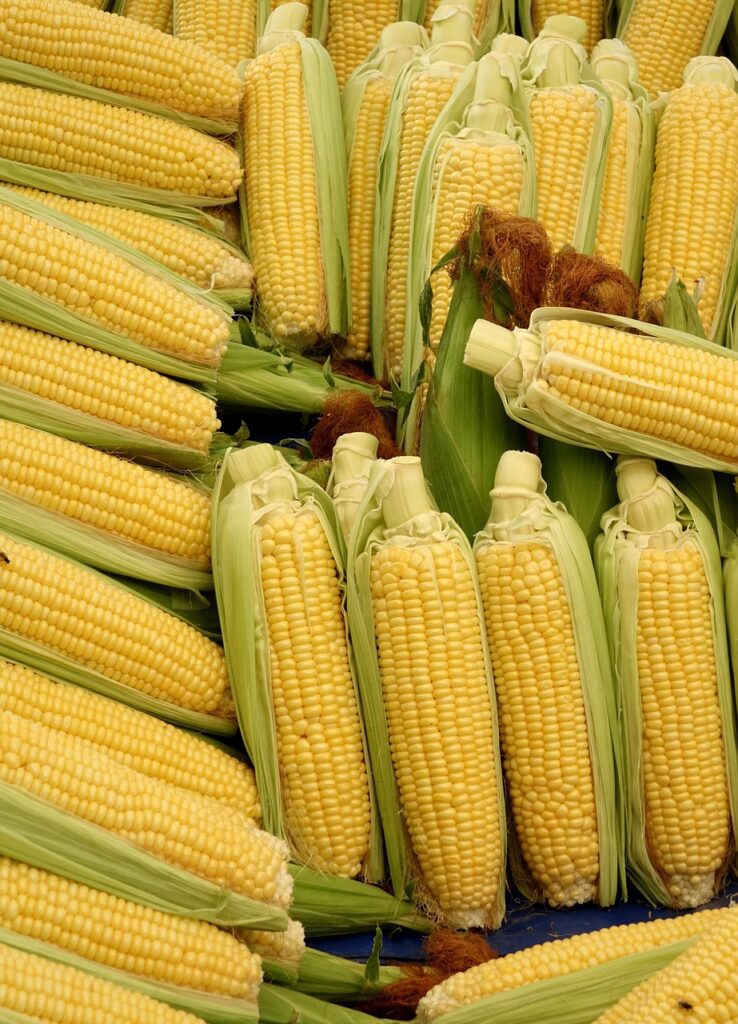
Storing Fresh Corn
When you bring fresh corn home, it’s crucial to store it properly to keep it sweet and tender while storing fresh corn.
You might think you can just leave it on the counter, but that can lead to a loss of flavor and moisture.
Instead, learn the best practices for refrigeration and discover how to tell if your corn is still fresh.
You’ll want to pay attention to these details before they slip away.
Understanding Corn Freshness
When you bite into a sweet ear of corn, its freshness makes all the difference.
Fresh corn is at its best when harvested, as the sugars in the kernels start converting to starch immediately after picking.
You’ll want to choose ears with bright green husks, tightly packed kernels, and a slightly moist silk.
If the silk’s brown and dry, the corn’s likely overripe.
Freshness also depends on the variety; some types taste sweeter than others.
Ideally, you should enjoy corn within a couple of days of purchase to experience its peak flavor.
Best Practices for Refrigerating Fresh Corn
To keep fresh corn at its best, you should refrigerate it as soon as possible after purchase.
Store the corn in its husk to maintain moisture and flavor.
If the husk isn’t intact, wrap the corn in a damp paper towel before placing it in a plastic bag.
This helps prevent drying out.
Set your refrigerator to a temperature between 32°F and 40°F, as this range keeps corn fresh longer.
Avoid washing the corn until just before you’re ready to use it, as excess moisture can lead to spoilage.
Be mindful to consume or use the corn within one week for optimal taste and sweetness.
Following these practices ensures you enjoy fresh corn at its peak!
Freezing Corn: Step-by-Step Guide
Freezing corn is a fantastic way to preserve its sweet flavor and nutritional value for months.
To start, shuck the corn and remove all the silk.
Next, bring a large pot of water to a boil and blanch the corn for 4-6 minutes.
This process helps lock in the corn’s freshness.
Once blanched, immediately transfer the corn to an ice bath to stop the cooking process.
After cooling for a few minutes, drain the corn thoroughly.
You can either freeze the corn on the cob or cut the kernels off for easier storage.
Pack the corn into airtight freezer bags, removing excess air, and label them with the date.
Finally, store the bags flat in the freezer for easy stacking.
Enjoy your corn later!
Signs of Freshness: How to Tell If Corn Is Still Good
How can you tell if corn is still fresh and safe to eat?
Start by checking the husk; it should be bright green and tightly wrapped around the kernels.
If the husk is dry or brown, the corn might be past its prime.
Next, feel the kernels.
They should be plump and firm, not shriveled or dried out.
When you peel back the husk, look for kernels that are milky and juicy.
If they’re hard or too dry, it’s time to toss the corn.
Finally, give it a sniff—fresh corn has a sweet, earthy scent.
If it smells sour or off, don’t risk it.
Trust your senses to ensure you’re enjoying the freshest corn possible!
Creative Ways to Use Fresh Corn Before It Spoils
Once you’ve determined your corn is fresh and ready to enjoy, it’s time to get creative in the kitchen.
Try making a vibrant corn salsa by mixing diced tomatoes, onions, cilantro, and lime juice.
If you’re in the mood for something hearty, whip up a corn chowder with potatoes and cream.
You can also grill the corn for a smoky flavor, then slice it off the cob and toss it into salads or pasta dishes.
For a sweet treat, blend it into a cornbread or corn muffins.
Don’t forget about freezing blanch the kernels and store them for later use.
These ideas will ensure you savor every bite before your corn spoils!
Storing fresh corn properly ensures you enjoy its natural sweetness for longer.
Remember to refrigerate it right after purchase, keep it in its husk, and avoid washing until you’re ready to cook.
If you notice any signs of spoilage, don’t hesitate to get creative with your recipes.
By following these simple tips, you can savor the fresh taste of corn while minimizing waste.