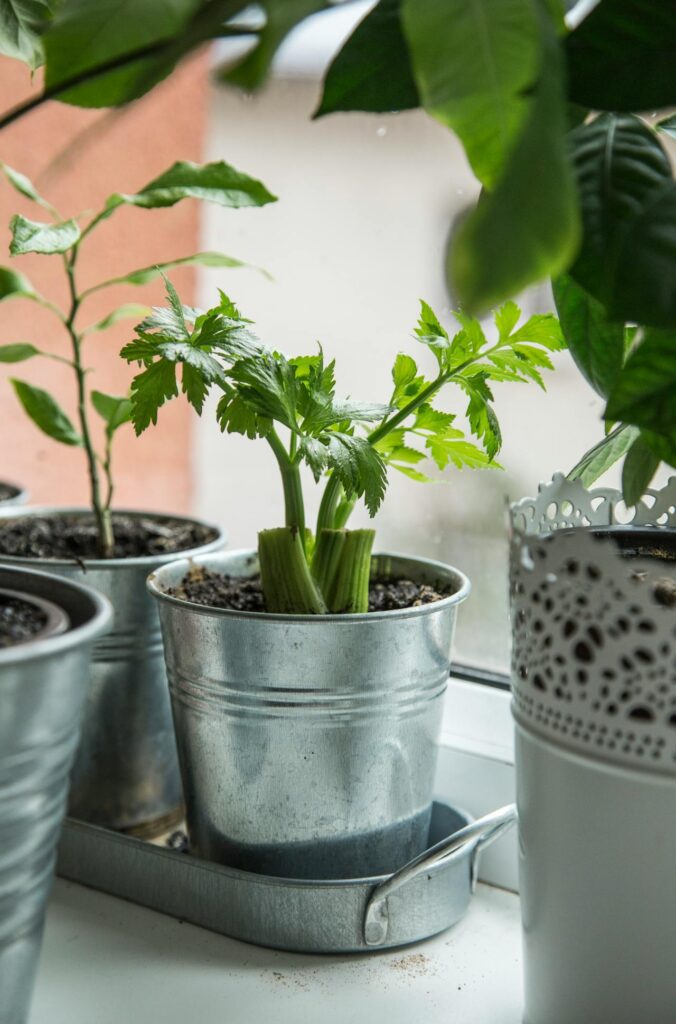
Vegetables to Grow Indoors Year Round
If you’re considering growing vegetables indoors year-round, you’re in for an interesting journey with Vegetables to Grow Indoors Year-Round.
Certain plants, like herbs and leafy greens, adapt well to indoor environments and can thrive with the right conditions.
You might be surprised at how easy it is to cultivate fresh produce in your home.
But what about the specific requirements and the best varieties to start with for Vegetables to Grow Indoors Year-Round?
Understanding these elements can make a significant difference in your indoor gardening success.
Let’s explore the options and see what might work best for you.
Best Vegetables for Indoor Growth
Growing vegetables indoors can be a rewarding experience, especially when you choose the right varieties.
Some of the best options for indoor growth include herbs like basil, cilantro, and parsley.
These herbs not only add flavor to your meals but also thrive in smaller spaces and require minimal care.
Leafy greens such as spinach, lettuce, and kale are also great choices; they grow quickly and can be harvested multiple times throughout their life cycle.
If you’re looking for something a bit heartier, consider cherry tomatoes or peppers.
These plants adapt well to container life and can produce a good yield even in limited light.
Radishes and green onions are another fantastic option; they grow fast and can be ready to eat in just a few weeks.
Don’t forget about compact varieties of zucchini or bush beans, which can fit into smaller pots while still providing a satisfying harvest.
Essential Growing Conditions
To successfully cultivate vegetables indoors year-round, you need to create the right growing conditions.
First, consider light. Most vegetables require at least 12-16 hours of light daily.
If natural sunlight isn’t sufficient, invest in grow lights to ensure your plants get the energy they need.
Next, focus on temperature.
Most vegetables thrive between 65°F and 75°F during the day and slightly cooler at night.
Keep an eye on temperature fluctuations, as extremes can stress your plants.
Humidity is another crucial factor. Indoor air can often be dry, especially in winter.
Use a humidifier or place trays of water near your plants to maintain humidity levels around 40-60%.
You’ll also want to ensure proper airflow.
Good ventilation helps prevent mold and pests, so consider using a small fan to circulate air.
Tips for Successful Indoor Gardening
Creating the right environment sets the foundation for successful indoor gardening.
Start by selecting the appropriate containers; ensure they’ve drainage holes to prevent water accumulation.
Use high-quality potting soil, as it provides essential nutrients and promotes healthy root growth.
Lighting is crucial. If you don’t have enough natural light, consider investing in grow lights.
Position them about 6-12 inches above your plants and keep them on for 12-16 hours daily to mimic sunlight.
Temperature control is equally important.
Most vegetables thrive in temperatures between 65°F and 75°F.
Keep an eye on humidity levels, too.
If your home’s air is dry, consider using a humidifier or placing a tray of water near your plants to maintain moisture.
Water your plants consistently but avoid overwatering.
Check the soil moisture by sticking your finger into the soil; if it feels dry an inch down, it’s time to water.
Lastly, rotate your pots regularly to ensure even exposure to light.
Following these tips will help you cultivate a thriving indoor garden year-round, giving you fresh vegetables at your fingertips.
Pest Management Strategies
When it comes to maintaining a healthy indoor garden, pest management is essential.
You can’t let pests compromise your hard work and beautiful plants.
Start by regularly inspecting your vegetables for any signs of infestation, like holes in leaves or sticky residue.
Early detection is key to controlling pests before they spread.
Implementing preventive measures is also crucial.
Keep your indoor garden clean by removing dead leaves and debris, which can attract pests.
Ensure proper airflow around your plants to minimize humidity, as many pests thrive in damp conditions.
You might also consider using barriers like floating row covers to protect your crops.
If you do encounter pests, don’t panic.
You can use organic options like neem oil or insecticidal soap, which are effective against a range of common indoor pests.
Introducing beneficial insects, such as ladybugs or predatory mites, can also help keep pests at bay.
Lastly, rotate your crops and avoid overcrowding your pots.
This not only enhances growth but also reduces the likelihood of pest outbreaks.
Harvesting and Enjoying Your Produce
Harvesting your indoor vegetables is one of the most rewarding aspects of gardening, allowing you to enjoy the fruits of your labor.
Timing is crucial, so keep an eye on your plants.
Most leafy greens, like spinach and lettuce, are best harvested when they’re young and tender.
Use clean scissors or shears to snip the outer leaves, promoting new growth.
For root vegetables like carrots or radishes, wait until they reach a good size.
Gently twist them from the soil to avoid damage.
When it comes to herbs, such as basil or cilantro, pinch off the top leaves regularly to encourage bushier growth.
Once you’ve harvested, the real fun begins—enjoying your produce!
Fresh vegetables and herbs can elevate any meal.
Toss those greens in a salad, blend them into a smoothie, or sauté them for a delicious side dish.
Don’t forget to experiment with flavors; fresh herbs can transform ordinary recipes.
Remember to share your bounty with family or friends.
There’s nothing quite like the joy of giving homegrown food.
Growing vegetables indoors year-round is a fantastic way to enjoy fresh produce no matter the season.
By choosing the right plants and providing them with the essential care they need, you can create your own little garden oasis.
Remember to monitor growing conditions and stay ahead of any pests.
With a bit of patience and dedication, you’ll soon be reaping the rewards of your indoor garden, savoring the delicious flavors of your homegrown veggies!