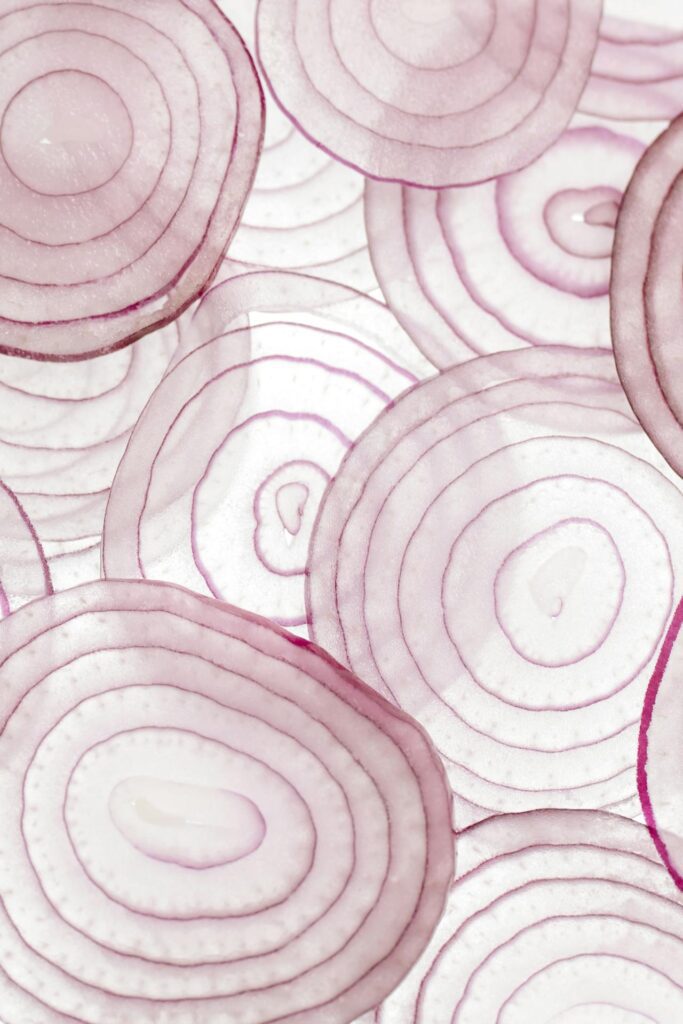
Ways to Store Onions
When it comes to storing onions, you’ve got a few effective methods to consider that can significantly extend their shelf life. with these ways to store onions
You’ll want to keep them in a dry, cool place with good ventilation, ideally avoiding any direct sunlight.
Using mesh bags can help prevent moisture buildup, which is crucial for maintaining freshness.
But what do you do with cut onions, or if you’ve got a surplus that needs preserving?
The answer might surprise you, as there are some techniques that go beyond the basics and can really make a difference.
Keep Them Dry and Cool
To effectively store onions, keep them dry and cool at all times.
Onions thrive in conditions that prevent moisture buildup, which can lead to rot. Aim for a temperature between 30°F and 50°F.
If you don’t have a root cellar, your pantry or basement can work, as long as it’s away from direct sunlight and heat sources.
Humidity plays a significant role in how long your onions last, too.
Excessive moisture can cause them to sprout or decay.
Make sure to keep them well-ventilated; this means avoiding airtight containers.
Instead, choose a space where air can circulate freely around the onions.
Regularly check your onions for any signs of spoilage, like softness or mold.
If you find any bad ones, remove them immediately to prevent the spread to others.
Never store onions near potatoes, as the gases emitted can shorten each other’s shelf life.
Use a Mesh Bag
A mesh bag is an excellent choice for storing onions, as it promotes air circulation while keeping them contained.
Unlike plastic bags, which trap moisture and can lead to spoilage, mesh bags allow your onions to breathe.
This is crucial since onions release moisture that can cause them to rot if they’re confined.
When you choose a mesh bag, make sure it’s spacious enough to hold multiple onions without squishing them.
Overcrowding can lead to bruising and spoilage, so give each onion enough room.
You can find various sizes of mesh bags, from small to large, so pick one that fits your storage needs.
Additionally, you can easily label the bag if you’re storing different onion varieties.
This helps you keep track of what you have and ensures you use them before they spoil.
If you have an abundance of onions, consider using multiple bags to prevent them from piling up.
Store in a Dark Place
Proper storage conditions are essential for maintaining the freshness of onions and keeping them in a dark place is crucial.
Exposure to light can trigger sprouting, leading to a decline in quality and flavor.
To prevent this, store your onions in a cool, dark pantry or cupboard.
Avoid placing them near windows or in brightly lit areas of your kitchen.
When you choose a storage container, opt for a breathable option like a mesh bag, which allows air circulation while keeping out light.
If you prefer using a basket or a cardboard box, ensure it’s kept in a dark location.
Make sure to check your onions regularly for any signs of spoilage or sprouting and remove any affected ones immediately to prevent them from impacting the others.
Additionally, try to keep onions away from potatoes, as they can emit moisture and gases that lead to quicker spoilage.
Refrigerate Cut Onions
Once you’ve cut into an onion, it’s important to refrigerate the leftovers to maintain their freshness and flavor.
When you expose an onion to air, it starts to lose moisture, which can lead to spoilage.
To prevent this, wrap the cut onion tightly in plastic wrap or place it in an airtight container.
This helps keep the onion from drying out and minimizes its odor, which can affect other foods in your fridge.
Make sure to store the cut onion in the vegetable crisper drawer or any cool section of your fridge.
Ideally, you should use the cut onion within seven to ten days. If you notice any signs of mold or a slimy texture, it’s best to toss it out.
Keep in mind that the longer cut onions sit in the fridge, the stronger their flavor can become.
This can be great for adding depth to your dishes but may not appeal to everyone.
Freeze for Long-Term Storage
Freezing onions is a fantastic way to preserve their flavor and extend their shelf life for several months.
It’s simple and effective, ensuring you always have onions on hand for your cooking needs.
Start by peeling and chopping the onions to your desired size.
You can dice, slice, or leave them in rings, depending on how you plan to use them later.
Next, blanch the chopped onions in boiling water for about three minutes.
This step helps to lock in flavor and maintain color.
After blanching, quickly transfer the onions to an ice bath to stop the cooking process.
Drain them well and spread them out on a baking sheet in a single layer.
Freeze them for a couple of hours until they’re solid.
Once they’re frozen, transfer the onions into airtight freezer bags or containers, removing as much air as possible.
Label the bags with the date, and you’re all set!
You can now store your onions in the freezer for up to six months.
When you’re ready to use them, you can toss them directly into your dishes without thawing—easy and convenient!
By following these simple storage tips, you can keep your onions fresh and flavorful for a longer time.
Remember to keep them dry and cool, use mesh bags for ventilation, and store them in a dark place.
If you’ve cut onions, pop them in the fridge in an airtight container, or for long-term storage, blanch and freeze them.
With these methods, you’ll always have delicious onions on hand for your cooking needs!